Blog
What to Eat in Marbella Old Town

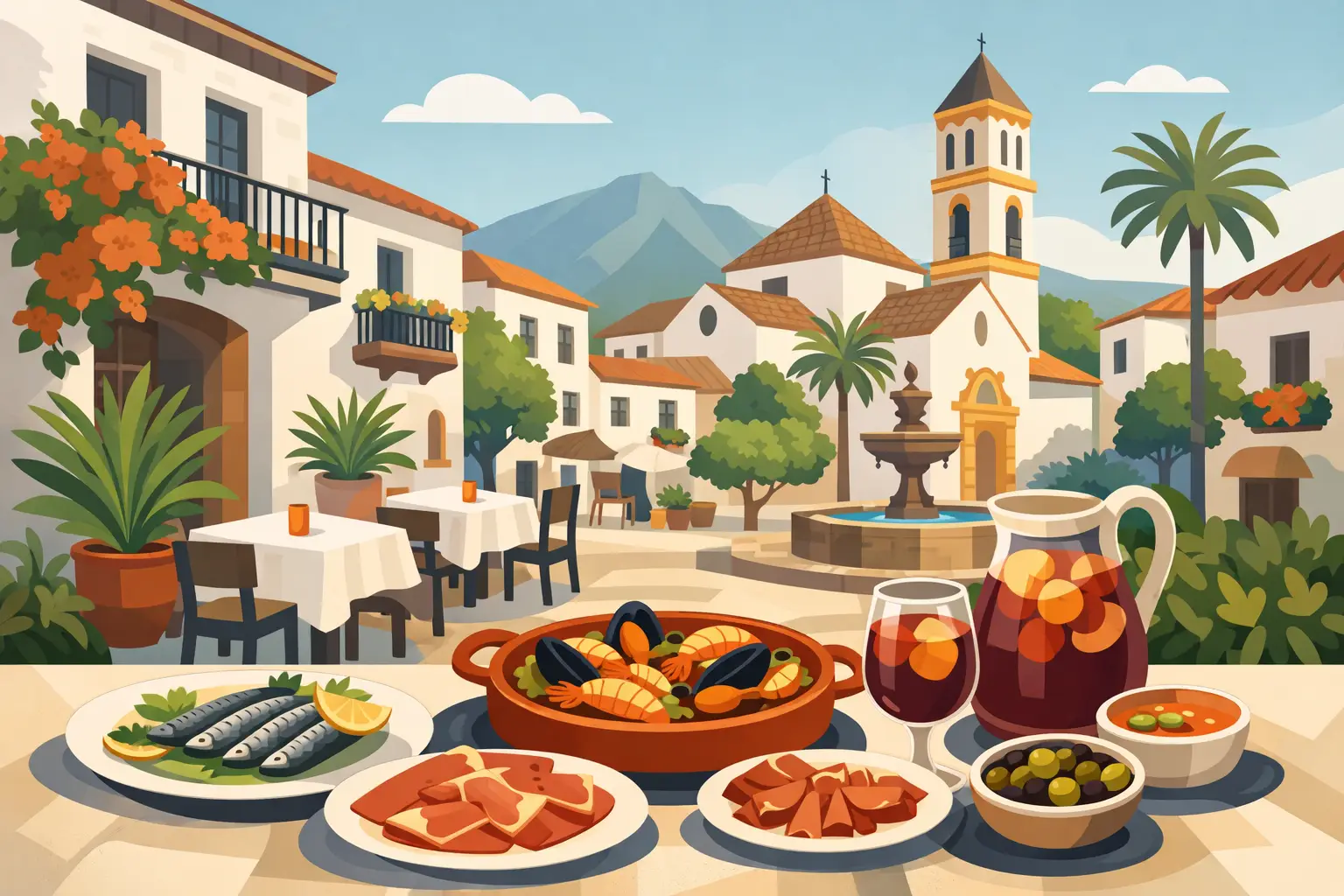
By the time you have wandered through the whitewashed lanes, paused in a flower-filled square and heard plates clink from a shaded terrace, the question becomes wonderfully urgent – what to eat in Marbella Old Town when everything sounds tempting?
The short answer is this: eat Andalusia, not just Spain. Marbella’s Old Town is not the place for generic paella menus and touristy sangria served without thought. This is where you slow down and order dishes with roots – food shaped by the sea, the mountains, old trade routes, family kitchens and the easy sociable rhythm of tapas culture. If you want the real flavour of the town, there are certain dishes and drinks worth seeking out first.
What to eat in Marbella Old Town first
A good meal here often starts with tapas, but that does not simply mean “small plates”. In Marbella Old Town, tapas are part of the local social language. You order a little, share a lot, talk between bites and let the table build itself gradually. The best approach is curiosity with a bit of restraint. It is easy to fill up too quickly on bread and the first croqueta that comes your way.
If you are only in the Old Town for one lunch or one evening, begin with a few classics that tell you where you are. A plate of jamón ibérico is an obvious choice, but it is obvious for a reason. Properly sliced, it should be silky rather than chewy, with a deep savoury richness that lingers. In Andalusia, good ham needs very little explanation and even less decoration.
Croquetas are another strong start, especially if they are homemade. The best ones have a delicate crisp shell and a soft interior that tastes clearly of what is inside – perhaps ham, chicken or salt cod. They look humble, but they tell you a lot about a kitchen. A frozen croqueta is forgettable. A handmade one is a small act of pride.
Then there are boquerones, the anchovies that appear either marinated in vinegar or lightly fried. If you usually avoid anchovies, this is a good place to reconsider. Fresh boquerones are clean, bright and far gentler than the preserved versions many people know.
The seafood dishes worth ordering
Marbella’s relationship with the sea should be on your plate. Even in the maze of the Old Town, a few streets back from the beach, seafood is central to what people eat. The trick is to choose dishes that feel local rather than theatrical.
Fried fish, or pescaíto frito, is one of the essentials. You might see tiny fish, squid, anchovies or strips of fish in a light coating, fried quickly so that they stay crisp and delicate. It should never feel greasy or heavy. Squeeze a little lemon over the top, and that is enough.
Calamares is a familiar option for many visitors, but here it can be excellent when it is fresh and simply cooked. Grilled squid is also worth looking for if you want something lighter. It often arrives with olive oil, garlic and parsley, which is all it needs.
If shellfish is on offer, order according to the season and the place. Clams in a garlicky sauce, prawns cooked with olive oil and sea salt, or pil pil prawns with chilli and garlic can all be superb. This is one of those moments where less is more. The best seafood in Marbella Old Town tastes of the ingredient first and the chef second.
Cold soups, salads and the taste of Andalusia
Not everything worth eating here is rich or fried. On a warm day, some of the most satisfying dishes are the coolest ones. Gazpacho and salmorejo both deserve your attention, but they are not interchangeable.
Gazpacho is lighter, sharper and more refreshing – almost a drinkable soup in some places. Salmorejo is thicker, silkier and usually topped with chopped egg and ham. If gazpacho is a reviving midday reset, salmorejo is closer to a meal in itself. Both are deeply Andalusian and perfect in Marbella’s climate.
You may also come across ensaladilla rusa, the Spanish potato salad that appears in bars all over the country. When done well, it is creamy but not claggy, often enriched with tuna, mayonnaise and sometimes a touch of pickle or olive. It may not sound glamorous, yet it is one of those dishes locals order without hesitation.
Tomato salads are another reminder that simple food can be the most memorable. In southern Spain, a plate of ripe tomatoes with olive oil, salt and perhaps ventresca tuna can be better than dishes with twice the effort. It depends on the produce, and when the produce is right, nothing else matters much.
Meat dishes that locals actually order
Seafood may dominate many tables, but Old Town menus usually have a strong meat side too. The key is knowing what feels regionally grounded.
Albóndigas, or meatballs, often come in a tomato or almond-based sauce and make a comforting tapas choice. They are hearty without being too heavy if you are sharing several plates.
Carrillada, slow-cooked pork or beef cheek, is another dish worth watching for. This is the sort of food that reflects Andalusia’s talent for patient cooking. The meat should be spoon-soft and deeply flavoured, often served with a rich sauce that begs for bread.
You may also see rabo de toro, oxtail stew. It is not exclusive to Marbella, but it belongs firmly to the southern Spanish tradition and can be excellent in cooler weather or when you want something more substantial in the evening.
If you are after grilled meat, choose carefully. There is nothing wrong with it, but in the Old Town the more distinctive dishes are often the stews, braises and tapas that carry a bit more history with them.
Cheese, olives and the small things that matter
One of the pleasures of eating in Marbella Old Town is that not every memorable bite arrives as a main event. A few olives with a cold drink, a wedge of local cheese, a slice of mojama or a small tapa of Russian salad can shape your impression of a place just as much as a larger meal.
Spanish cheeses vary widely, and while some menus lean on familiar Manchego, it is worth asking what else is available. Depending on the venue, you may find goat’s cheese from Andalusia or more local cured specialities that pair beautifully with wine or sherry.
Bread matters too. So does the olive oil set on the table. In a place that respects its food, these details are never afterthoughts.
What to drink with it all
Food in Marbella Old Town makes more sense when you drink as locals do. Wine is an easy choice, but if you want a more rooted experience, try sherry. Dry styles such as fino or manzanilla work beautifully with seafood, olives and ham. They are crisp, savoury and far more versatile than many visitors expect.
A vermouth before lunch can also feel very right in the Old Town, especially if you are grazing on tapas rather than committing to a full meal straight away. Local beers are reliable, but wine and fortified wines often make the meal feel more connected to the region.
If you prefer something non-alcoholic, fresh juices, sparkling water and cold soups can be part of the pleasure rather than an afterthought. In warm weather, pacing yourself is half the art of eating well.
How to order well in Marbella Old Town
The best answer to what to eat in Marbella Old Town is not one dish but a way of eating. Share plates. Order in rounds. Leave room for the dish you did not plan to have. If a place is known for one particular tapa, trust that and start there.
It also helps to avoid over-ordering in the first five minutes. Many visitors make the mistake of treating tapas like starters before a main course. In reality, tapas can be the meal. Two or three plates between two people might be right in one bar, while a longer lunch with several stops might call for just one special dish and a glass of wine in each place.
There is also the tourist trap question, and it is a fair one. Some places in busy historic centres do serve food that looks Spanish without feeling especially local. Menus with endless international options can be a clue. So can photos of every dish. The better spots usually have a tighter focus, a rhythm to the room and staff who can tell you what is good that day.
For travellers who want that local context without second-guessing every doorway, a guided food experience can make a real difference. Marbella Flavours, for example, builds its Old Town tastings around traditional taverns, local stories and dishes that genuinely belong here, which means you spend less time wondering and more time tasting.
Save room for dessert if you have a sweet tooth, but do not force it. Depending on the season, you might find flan, tarta de queso, churros or simple ice cream nearby. Lovely, yes, though Old Town eating is often at its best in the savoury register.
If you want one useful rule to carry with you through Marbella’s old streets, let it be this: order the dishes that feel as though they could only make sense here, in this heat, in this region, with this history. That is where the real meal begins.