Blog
Local Wines with Tapas in Marbella

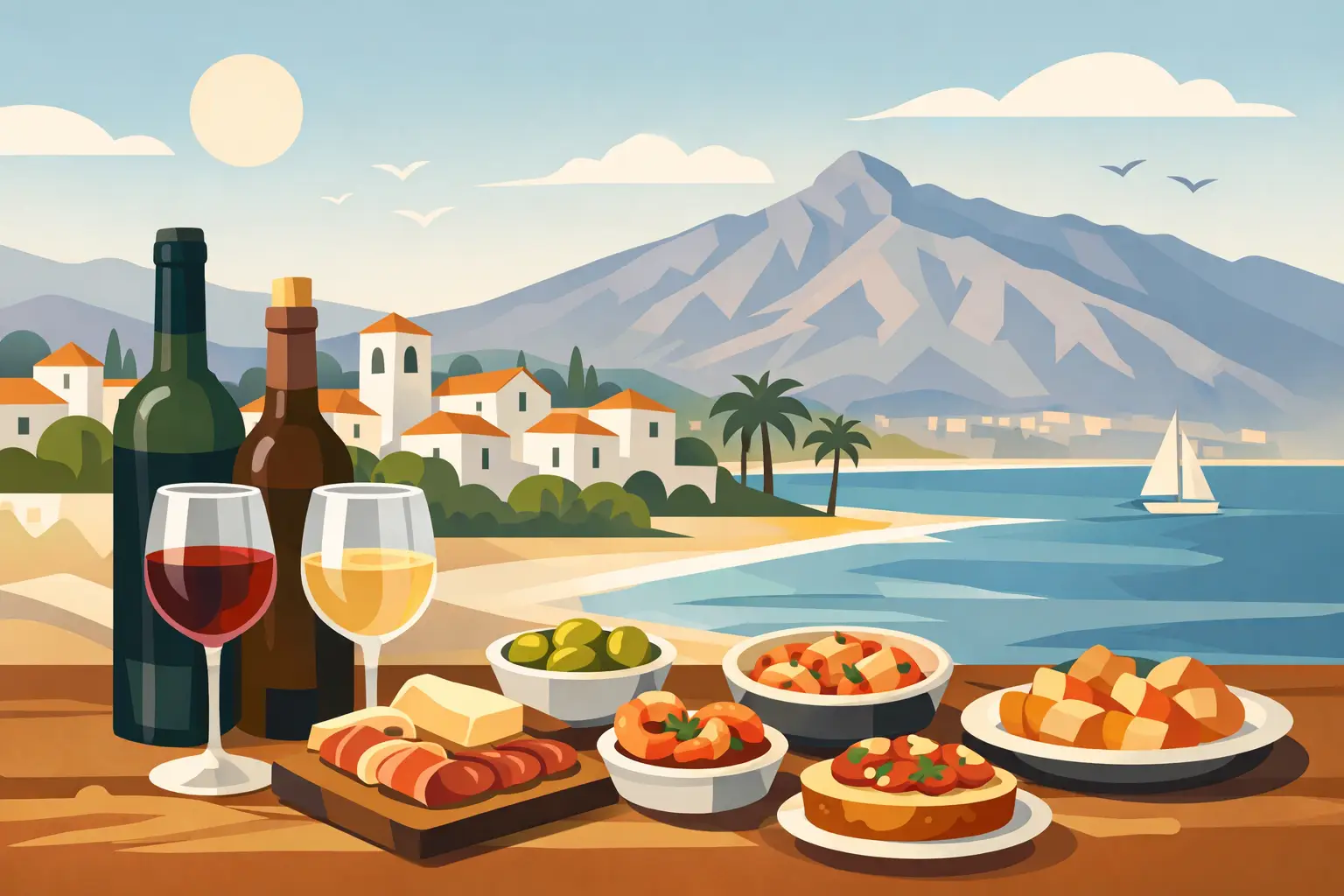
A chilled glass of dry Fino beside a plate of jamon, a ruby splash of Rioja with slow-cooked pork cheek, or a lightly sparkling local white served with fried fish – this is where Marbella starts to make sense through flavour. Local wines with tapas are not just a pleasant extra on a night out. They are one of the clearest ways to understand how Andalusia eats, socialises and celebrates the small details that make a meal memorable.
In the Old Town, the best pairings rarely feel forced. They arrive naturally, shaped by heat, season, salt, olive oil and the habits of people who have been eating this way for generations. When visitors ask what makes a tapas experience feel truly local, wine is often part of the answer. Not expensive wine, and not a long lecture at the table, but the right glass with the right dish, served in the right place, by someone who knows why it works.
Why local wines with tapas matter
Tapas are small, but they carry a lot of character. One dish may be bright with vinegar, another rich with paprika, another built around seafood fresh enough to need very little handling. A local wine has the same job as a good host – it should bring the food into focus without demanding all the attention for itself.
That is why local pairings matter more than many travellers expect. Wines from southern Spain are made for this climate and this style of eating. They are built for warm evenings, casual conversation and plates that arrive one after another rather than as a formal three-course meal. A fresh white can cut through fried food beautifully. A nutty Sherry can flatter salty cured meats. A soft red can make a hearty stew feel even deeper and more comforting.
There is also a cultural layer. Choosing local wines with tapas is one of the easiest ways to step out of the standard tourist script. You move away from ordering what you already know and begin tasting what belongs here. That shift often changes the whole evening.
The Andalusian logic behind the pairing
Andalusian food is full of contrast. You get crisp and silky, briny and earthy, simple and intense. The wines that sit best beside these dishes tend to respect that contrast rather than smooth it away.
Sherry is often the smartest place to start
Many travellers think of Sherry as something old-fashioned, but in southern Spain it can be one of the liveliest and most food-friendly choices on the table. A bone-dry Fino or Manzanilla is brilliant with olives, almonds, anchovies, boquerones and jamon. It has that salty, almond-like edge that makes simple tapas feel sharper and more complete.
If you are eating prawns, fried fish or anything with a maritime note, these styles often work better than a heavier white wine. They refresh the palate without flattening the dish. The trade-off is that they are very dry, so if you prefer fruit-forward wines, they can take a little getting used to.
Local whites suit Marbella’s pace
A good local white, especially one with citrus and mineral notes, is a natural partner for lighter tapas. Think grilled vegetables, fresh cheese, seafood salad or calamares. On a warm day, it is often the easiest and most immediate pairing.
Not every white needs to be complex to be right. In fact, with tapas, overcomplicated wine can get in the way. When food arrives in small waves, you want a wine that can travel across a few dishes without clashing.
Reds have their place, but not with everything
Visitors often default to red wine because it feels safe or familiar. Sometimes that works very well. A local red or a smooth Spanish red can be excellent with albondigas, chorizo, beef cheeks or mushrooms cooked with garlic. But red wine can overpower delicate seafood and sharper pickled flavours.
It depends on the order. If your table starts with anchovies and moves to richer meats, it may make sense to begin with a chilled white or Sherry and switch later. That is how many locals approach it – by following the food rather than sticking to one bottle from start to finish.
What to order with classic tapas
The best pairings are usually guided by balance. Salty foods like jamon and manchego often like dry, crisp wines. Fried tapas need freshness and lift. Slow-cooked dishes can handle more body. It sounds simple, but small adjustments make a real difference.
Jamón ibérico with Fino is one of the great classics because both elements are savoury, elegant and clean. Gambas pil pil can work with a bright white that cools the garlic and chilli without muting them. Russian salad and ensaladilla prefer something light and crisp. Meatballs in tomato sauce tend to welcome a softer red. Oxtail or carrillada asks for something deeper, though not necessarily heavy.
A common mistake is matching intensity only with intensity. Sometimes contrast is more useful than weight. A sharp, dry wine can make a rich tapa feel less tiring and more moreish. That matters when you are planning to enjoy several stops in one evening.
How to spot a genuinely local wine experience
Not every tapas bar puts the same care into its wine list, and that is perfectly normal. Some places specialise in a handful of excellent house pours. Others offer broader regional choices. The key is not size but thoughtfulness.
A good sign is when the recommendation feels specific to the dish in front of you, not rehearsed. Another is when the wine list reflects Andalusia rather than relying only on labels visitors already recognise. You want staff who can tell you why a particular glass works with a particular tapa, even in a simple sentence.
Atmosphere matters too. The best experiences are rarely the most formal. They are the places where the pour is generous, the room has a hum to it, and the pairing feels like part of everyday life rather than a performance for tourists.
Local wines with tapas in Marbella Old Town
Marbella Old Town is one of the best settings to enjoy local wines with tapas because the experience extends beyond the table. Narrow streets, family-run venues, hidden corners and bars with real history all shape how the evening unfolds. You are not just tasting products. You are tasting a way of life that still survives behind the polished image many visitors first associate with Marbella.
This is also where guidance makes a difference. A self-planned evening can be lovely, but it often misses the stories behind the pours. Why does one bar favour a certain style of Sherry? Why does a local red appear with one stew but not another? Why does a simple olive or almond served first tell you so much about what is coming next? These details are easy to overlook when you are choosing at random.
For travellers who want more than a pleasant drink, context changes everything. A pairing becomes memorable when you understand the people, habits and history behind it.
Taste first, judge later
One of the pleasures of Andalusian wine culture is that it rewards curiosity more than expertise. You do not need to know grape varieties by heart or speak like a sommelier to enjoy it properly. In fact, some of the best discoveries happen when you set aside your usual order and trust the house recommendation.
That said, personal taste still matters. If you dislike very dry wine, forcing yourself through a glass of Fino because it is traditional may not be the best route. A good local experience should meet you where you are and gently widen your palate, not make you feel tested. The aim is pleasure, not performance.
It is also worth remembering that tapas pairings are social by nature. Sharing different glasses around the table often gives a fuller picture than ordering one thing each and staying with it. You learn faster, compare more, and usually end up with a more relaxed evening.
A more memorable way to experience Marbella
Many people come looking for good food and leave talking about a moment instead – the cold glass set down beside a perfect bite, the old bar they would never have found alone, the story that made the flavour click into place. That is the real charm of local wines with tapas. They slow you down just enough to notice where you are.
If you want Marbella to feel more personal, let the wine lead you into the food, and let the food lead you into the culture. The best pairings do more than taste right. They make the town feel closer, warmer and far more real.