Blog
How Tapas Culture Works in Marbella

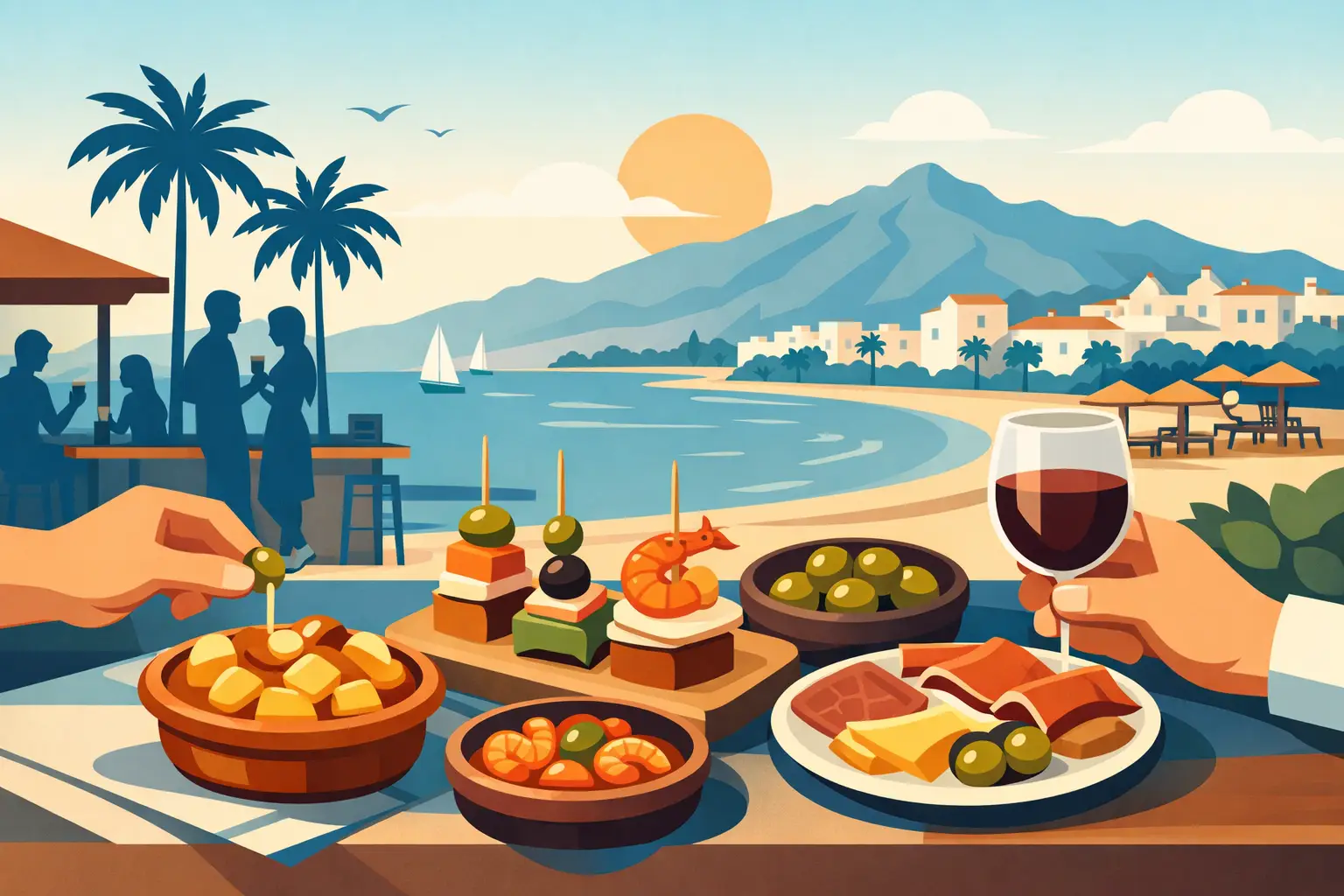
You can spot the difference within minutes. One bar has glossy menus, oversized portions and a sangria pitcher on every table. Another has jamón hanging behind the counter, a few handwritten specials, locals chatting shoulder to shoulder, and small plates arriving in a rhythm that makes the whole evening feel unhurried. If you have ever wondered how tapas culture works, the answer begins there – it is not just about what you eat, but how you spend time, order, share and connect.
In Marbella, especially around the Old Town, tapas are part of social life before they are a dining format. They are built around conversation, movement, appetite and atmosphere. A good tapas evening is rarely a straight line from starter to pudding. It is more often a gentle progression through a few bars, a couple of glasses of wine or beer, and dishes that tell you something about the place you are in.
How tapas culture works beyond the menu
Visitors often expect tapas to function like a miniature restaurant meal. Sometimes they do, but that idea misses the point. Tapas culture in Andalusia grew from a way of eating that suited local rhythms. People met for a drink, added a small bite, stayed if the mood was right, and moved on if another bar had a better speciality. The meal was flexible. The evening belonged to the people, not the reservation book.
That is why the best tapas bars often feel lively rather than polished. You may stand at the bar instead of sitting down straight away. You may order two or three plates first, then decide what comes next. You may find that one bar is perfect for seafood, another for slow-cooked meats, and a third for a final glass of something cold with a simple local cheese. This movement is not a flaw in the system. It is the system.
There is also a practical reason tapas work so well for travellers. You can taste more of the region in one evening than you could through a single three-course meal. In Marbella that might mean anchovies cured in vinegar, croquetas with a crisp shell and soft centre, Iberian pork, Russian salad done properly, local cheeses, or a dish scented with saffron and olive oil. You are not committing to one big plate. You are building an experience, one bite at a time.
Ordering tapas without feeling like a tourist
The easiest mistake is to over-order in the first ten minutes. Tapas look small, but richness adds up quickly, especially once bread and drinks enter the picture. A better approach is to begin modestly. Choose a couple of dishes to share, see how generous the portions are, and then add more if you are still hungry.
Sharing matters. Even when each person could order separately, tapas are designed for the middle of the table. This creates the pace that locals enjoy – a forkful here, a sip there, a pause for conversation, then the next plate arrives. It feels less like consuming and more like participating.
Drinks are part of the rhythm as well. In southern Spain, people often pair tapas with beer, sherry, vermouth or local wines. There is no single correct choice. A chilled white wine suits seafood beautifully, while a fuller red can work with meatier plates. What matters most is balance. Tapas culture is generous, but it is not about rushing towards excess. It is about enjoying flavour and company in equal measure.
If you are unsure what to order, ask. In a good traditional bar, recommendations usually lead you better than the printed menu. Some dishes shine at lunchtime, others are stronger in the evening, and many of the best choices depend on what is fresh that day. That little conversation with the server often opens the door to a more authentic meal.
The unspoken etiquette that makes the experience smoother
Tapas etiquette is refreshingly informal, but a few habits help. First, do not expect immediate stillness. Popular bars can be busy, noisy and full of life. That energy is part of the charm. If service feels brisk, it is usually because the staff are working at a fast local pace rather than trying to be impersonal.
Second, understand that not every tapas bar is built for a long, fixed sitting. Some are perfect for a quick stop and one excellent speciality. Others invite you to settle in. Reading the room matters. If people are leaning at the counter with tiny napkins and rapid orders, that bar is probably about momentum. If tables are laid more generously, you can relax into a slower round.
Third, be open to simplicity. One of the pleasures of tapas in Marbella is that the best dish of the night may not be the most complicated. A slice of exceptional cured ham, a properly seasoned tomato salad, or fried aubergine with honey can say more about Andalusian food than something overworked. Authenticity often tastes straightforward because the ingredients are doing the talking.
How tapas culture works in Marbella specifically
Marbella has its own personality. Yes, it is glamorous in places, but the soul of its food culture is still rooted in Andalusia. In the Old Town, narrow streets and shady squares lend themselves naturally to tapas hopping. You are never far from another bar, another counter, another story.
What makes Marbella special is the contrast. One moment you are in a quiet corner with tiles on the wall and a barman who knows half the room by name. The next, you are tasting a dish shaped by coastal influences, mountain produce and the long culinary history of southern Spain. The town attracts international visitors, but the strongest bars keep a local heartbeat.
Seafood is especially important here because Marbella belongs to the coast. Anchovies, octopus, prawns and fried fish often appear in ways that are simple but deeply satisfying. At the same time, inland Andalusian traditions remain strong, from stews and charcuterie to olives, cheeses and dishes built around pork. This mix gives Marbella’s tapas scene real range. You can eat lightly or indulgently, traditionally or with a little contemporary polish.
Timing also matters. Spaniards generally eat later than many British travellers expect. Lunch can stretch comfortably into mid-afternoon, and dinner service starts later in the evening. If you arrive too early, some kitchens may not yet be in full swing. If you adapt to local timing, the whole experience feels more natural.
Why one tapas bar can feel magical and another forgettable
The answer is rarely just the food. Atmosphere, welcome and local knowledge shape everything. A truly memorable tapas experience has context. Someone tells you why a dish matters, where the ingredients come from, or why this tiny bar has kept the same recipe for decades. Suddenly you are not just eating croquetas. You are tasting family tradition, neighbourhood pride and regional identity.
That is also why independent guidance can make such a difference, especially if you are new to the town. Marbella has plenty of places that look inviting from the outside. Some are excellent. Others are designed more for passing trade than for quality. Knowing where locals still go, what each bar does best, and when to visit can turn a pleasant evening into one of the highlights of your holiday.
After more than 35 years in catering and nearly 20 years living in Spain, Michel has seen how often visitors miss the real thing simply because nobody explained the rules of the game. Once you understand the flow of tapas culture, Marbella opens up in a different way. You stop chasing generic recommendations and start recognising the bars that carry genuine character.
The real pleasure of tapas is social, not just culinary
It is tempting to think tapas are popular because they offer variety, and they do. But variety is only half the story. Tapas culture works because it creates closeness. Plates are shared. Decisions are made together. People linger, compare favourites, order one more dish, then another round because the conversation is going well.
For couples, this makes the evening feel romantic without trying too hard. For families and small groups, it keeps everyone engaged because no one is trapped with a dish they did not really want. For travellers, it removes the pressure of choosing the one perfect restaurant and allows the town itself to become part of dinner.
That is the heart of it. Tapas are not merely small plates. They are a way of inhabiting Marbella more fully – tasting slowly, moving naturally, and letting food lead you into the life of the place. If you approach them with curiosity rather than checklist thinking, the experience becomes richer with every stop.
When you next step into a busy Andalusian bar, do not worry about doing everything perfectly. Order a drink, ask what is good today, share what arrives, and give the evening room to unfold. That is usually when Marbella tastes most real.