Blog
How to Order Tapas Without Guesswork

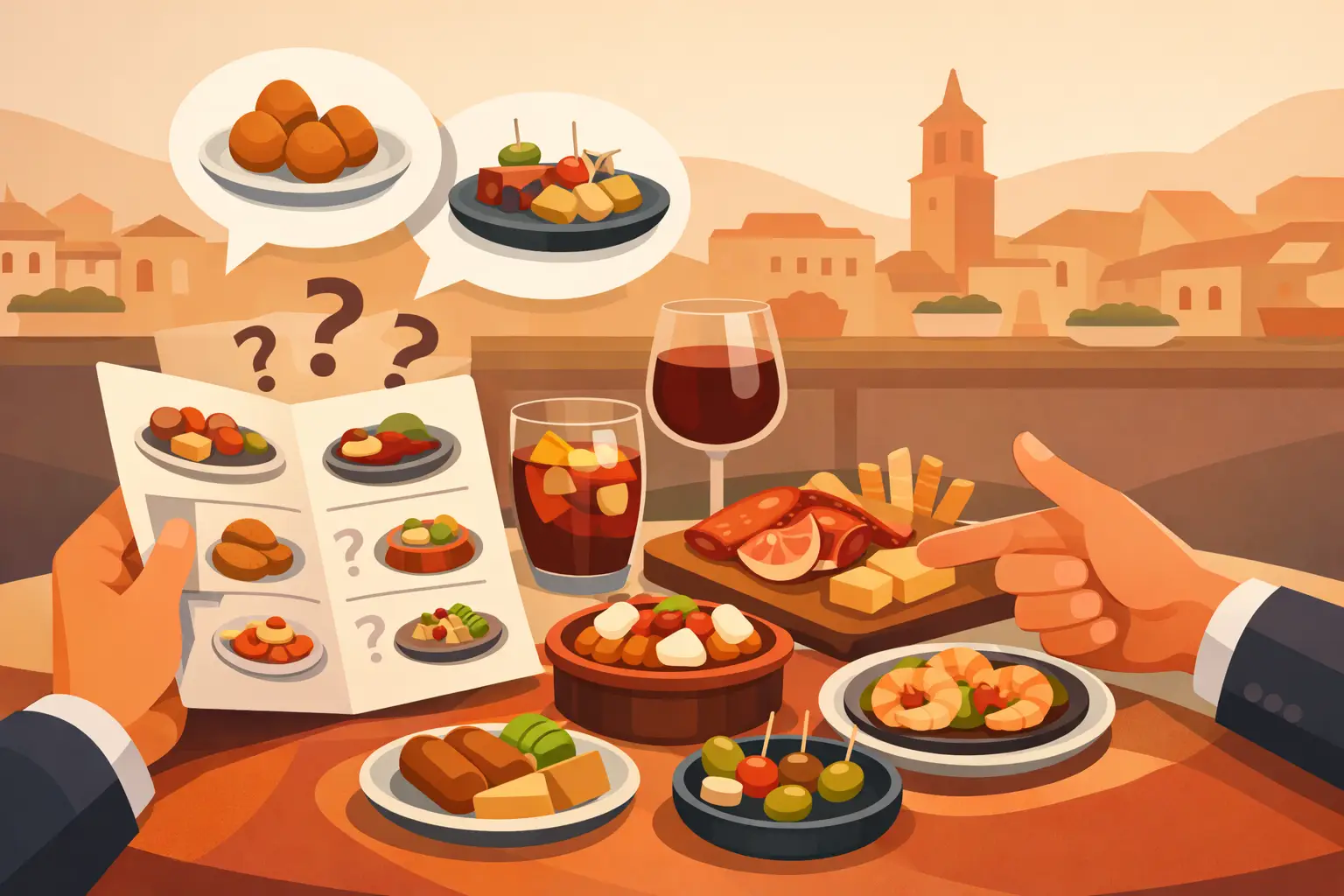
You can spot the uncertain table straight away. Menus stay closed too long, someone orders five fried dishes at once, and by the time the best plate arrives everyone is already full. If you are wondering how to order tapas, the good news is that there is no secret code. There is, however, a rhythm to it – and once you understand that rhythm, the whole experience becomes more relaxed, social and delicious.
Tapas are not just small plates. They are a way of eating that suits conversation, curiosity and a little patience. In Andalusia, and especially in places where tradition still matters, ordering well is less about ticking off famous dishes and more about reading the room, trusting the house and knowing when enough is enough.
How to order tapas like a local
The first thing to understand is that tapas are meant to be shared, but not always in the same way. In some bars, a tapa is a small individual portion to go with a drink. In others, you may see media ración or ración, which are larger plates designed for the table. That means the smartest start is not ordering everything at once. Begin with two or three dishes for two people, then add more.
This is where many visitors go wrong. They treat tapas like a starter-main-dessert format, when really it is more fluid than that. You order a little, eat a little, see what looks good coming out of the kitchen, then decide what to try next. A meal built this way feels less forced and usually ends up being far better balanced.
If you are in a proper local tavern, the staff may not give you a long explanation unless you ask. That is not rude. It is simply a different style of hospitality. Ask what is good today, what is homemade, or what the house is known for. Those questions often lead to the best plate on the table.
Start with the house specials
A reliable rule is to order at least one dish the bar is known for. If a place is famous for Russian salad, anchovies in vinegar, slow-cooked pork cheeks or a particular croqueta, start there. Signature dishes usually tell you more about a kitchen than generic options that appear on every menu in town.
Daily specials matter too. In many traditional spots, the best food is not always printed neatly on the card. It may be based on what came fresh from the market that morning or what has been cooked slowly for lunch service. If you only order the most familiar tapas, you may miss the plate locals actually came for.
Mix textures and temperatures
A good tapas order has contrast. If everything is fried, beige and hot, the meal gets heavy quickly. If everything is cold, salty and pickled, it can feel one-note. Try combining something fresh, something rich and something comforting.
For example, olives or a dressed tomato salad can wake up the palate, while grilled fish or Iberian ham adds depth, and a warm stew or meat dish brings substance. This matters more than people think. Tapas works best when each plate makes room for the next one.
Portion sizes can be misleading
One of the most useful lessons in how to order tapas is learning the language of portions. A tapa is usually the smallest serving, but not always tiny. A media ración is a half portion, often ideal for sharing between two or three people. A ración is larger and better for groups or for a hungrier table.
There is no universal standard. One bar’s tapa of meatballs may be two meatballs. Another’s may be four. A media ración of fried fish in one place might be enough for lunch for two. In another, it is simply a generous tasting plate. If you are unsure, ask. It is completely normal.
A simple phrase such as, “Is that enough for two to share?” saves both money and waste. It also signals that you want to eat properly rather than rush through the menu.
Do not over-order at the start
The menu can be tempting, especially if you arrive hungry. But tapas rewards restraint. Order less than you think you need for the first round. You can always add another plate, and in most bars that is exactly what people do.
This approach also lets you adjust to the table. Perhaps the fried aubergine with honey is sweeter than expected, so you follow it with something salty. Perhaps the seafood is especially good, so you order a second fish dish rather than moving to meat. Flexibility is part of the pleasure.
Drinks shape the meal
In many tapas bars, food and drink are partners. A cold beer, a glass of fino, a vermouth or a local wine can change what you feel like eating and how fast you order. Dry sherry, for instance, works beautifully with olives, cured ham and seafood. Red wine may suit richer meats or stews later in the meal.
You do not need to know every pairing. But it helps to think of the meal as a progression rather than one big order dumped on the table at once. Start lighter. Build slowly. Leave room for one dish that feels indulgent.
Water matters too, especially in warm weather. Tapas can be salty by design, and a leisurely meal is far more enjoyable when it stays balanced.
How to order tapas if you do not know the menu
This is often where confidence disappears. Menus may include regional names, handwritten specials or dishes that do not translate neatly. Rather than panic-ordering patatas bravas because they sound safe, ask for guidance.
A few practical questions go a long way. Ask which dishes are typical of the area. Ask what arrived fresh that day. Ask whether a dish is cold, fried, grilled or stewed. Ask whether it is a small tapa or better for sharing. You do not need perfect Spanish to do this, and staff in places used to travellers will usually help if they see genuine interest.
What matters is curiosity. Traditional food culture is generous with people who want to engage with it. If you show you are open to trying local dishes, you are far more likely to get an honest recommendation than if you ask for the most Instagrammable plate.
Be careful with familiar favourites
There is nothing wrong with ordering croquetas, tortilla or grilled prawns. They are classics for a reason. But if every plate is something you already recognise from home, the meal may feel less connected to where you are.
The better approach is to mix one or two known favourites with one or two regional dishes. That gives the table both comfort and discovery. It also helps nervous eaters feel included without reducing the whole meal to safe choices.
Standing at the bar or sitting at a table
The way you order tapas can change depending on where you are eating. At the bar, ordering may be quicker, more spontaneous and focused on a drink plus one or two bites. At a table, especially in the evening, the meal may unfold more slowly with a broader mix of dishes.
Neither is better. It depends on your mood, the bar and how much time you have. Standing can feel lively and local, particularly if you are hopping between places. Sitting down is often easier if you want a longer meal, more conversation and a chance to ask questions about the menu.
If you are visiting a busy old town bar at peak hour, do not expect a quiet, highly managed restaurant experience. Tapas culture can be energetic and slightly chaotic. That is part of its charm.
Common mistakes tourists make
The biggest mistake is ordering too much too soon. The second is choosing dishes without any balance. The third is assuming tapas should arrive in a set order. Often they come when they are ready, which means cold dishes may land before hot ones, or one plate may take longer because it is cooked fresh.
Another common error is treating bread as an afterthought. Good bread matters in a tapas meal, especially with saucy dishes, cured meats and olive oil. If bread is offered, it usually has a purpose.
Finally, some visitors mistake simplicity for lack of quality. A plate of tomatoes, tuna and olive oil may look modest, but if the ingredients are excellent, it can be one of the best things you eat all week. Tapas is often about restraint, not theatrics.
The real secret behind a great tapas order
The best tapas meals are not won by strategy alone. They happen when you slow down enough to notice what each place does well, order with a little confidence, and leave room for surprise. Knowing how to order tapas is really about understanding that the meal is social, flexible and rooted in local habits rather than rigid rules.
Some bars are perfect for one vermouth and two elegant bites. Others call for a longer table, a few shared plates and a proper conversation. Some dishes are worth travelling for. Others are simply right in the moment, with a cold drink and good company.
If you approach tapas with appetite, curiosity and a bit of patience, the ordering part stops feeling stressful. It starts feeling like what it should be – one of the most enjoyable ways to eat in Spain.
Next time you sit down in a bustling tapas bar, do not worry about getting it perfect. Order the first couple of plates with confidence, watch what the room is doing, and let the meal teach you the rest.