How Storytelling Enhances Food Tours in Marbella

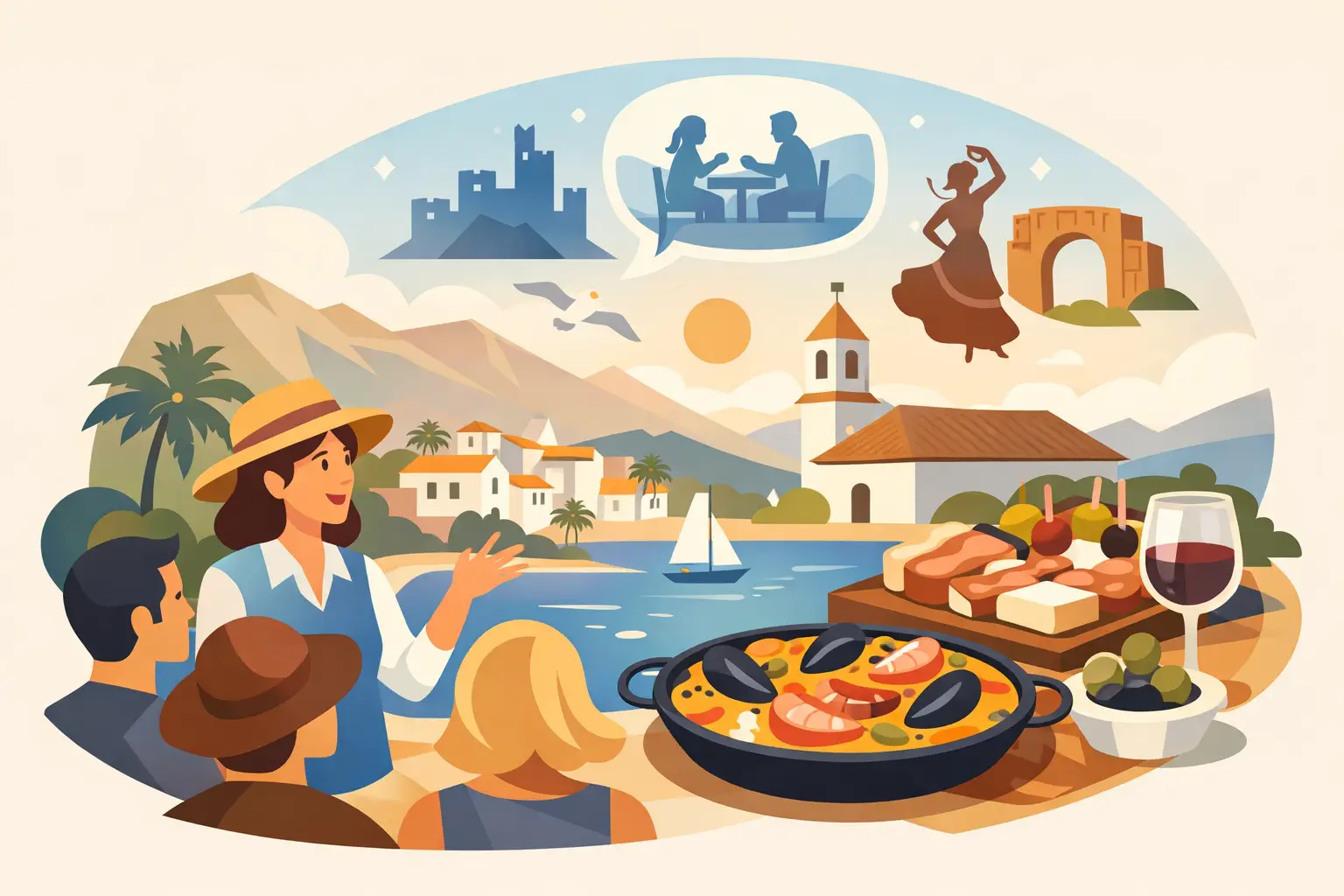
A plate of jamón, a chilled glass of fino and a sun-warmed square can be lovely on their own. But how storytelling enhances food tours becomes clear when you learn why that ham was cured for years, why the wine is served so dry, or which families have kept a small Old Town tavern alive through generations. The food becomes more than a tasting. It becomes a memory with a sense of place.
That is the kind of experience Michel has spent decades creating. After more than 35 years in hospitality and over 20 years living in Marbella, he knows that a good food tour is not about rushing guests from one bite to the next. It is about helping visitors see the life behind the bar, the tradition behind the recipe and the character behind the cobbled streets.
Meet Michel, Your Local Food Guide
Michel did not arrive in Marbella with a script learnt from a guidebook. He built his local knowledge slowly, through years of living here, working in hospitality and returning again and again to the places where the real conversation happens: at the market counter, beside the tapas bar, or with an innkeeper who remembers the town before its international reputation took hold.
His passion is Andalusian culinary history, but he wears that knowledge lightly. A tour with Michel should never feel like a lecture delivered between courses. Instead, history appears where it belongs. A story of Moorish influence may explain the spices in a dish. A stop near an old church can reveal why the streets around it developed as they did. A local wine opens a conversation about the landscape, the grapes and the people who work them.
For several years, Michel was the head guide for Taste Marbella. Guests who search for Taste Marbella reviews Michel will find his name appearing in many enthusiastic five-star comments, often with warm references to his humour, generosity and deep knowledge of the town. Those reviews matter because they reflect something simple: people remember how a guide made them feel, not only what they ate.
Travellers who enjoyed that historic, detailed style of tour can now book Michel directly through Marbella Flavours. His 3.5-hour Tapas & Educational Tour carries forward the same personal approach, with the freedom to shape each walk around the group in front of him.
How Storytelling Enhances Food Tours Beyond the Plate
Food is one of the quickest ways to understand a destination, yet it can also be misunderstood. A visitor may order tapas at a busy terrace, enjoy the view and leave believing they have experienced local cuisine. There is nothing wrong with a pleasant meal, of course. But without context, it is easy to miss the small details that make Andalusian food so expressive.
Storytelling gives those details their voice. Consider a simple plate of gazpacho. It is refreshing on a hot afternoon, but it also tells a practical story of agricultural abundance, summer heat and cooks making something extraordinary from everyday ingredients. An anchovy may lead to a conversation about the Mediterranean coast and preserving the catch. A small bowl of olives can reveal the patience behind a harvest that shapes the landscape for miles around.
This is why the best tour guide Marbella Old Town visitors can choose is not simply someone who knows where to order. It is someone who can introduce the people behind the food, read the pace of a group and make history feel close rather than distant.
Michel also knows when to leave space for the moment itself. Not every bite needs an explanation. Sometimes the right thing is to let guests enjoy a particularly good croqueta, listen to the hum of a traditional bar or share a laugh over a glass of local wine. Good storytelling is as much about timing as it is about facts.
Stories Create Confidence as Well as Connection
For many visitors, the challenge is not a lack of restaurants. Marbella has plenty. The difficulty is knowing which doors lead to an experience that feels genuine, especially when holiday time is limited and every establishment claims to be authentic.
A guide with long-standing relationships can take away some of that uncertainty. Michel can explain what makes a venue special, whether it is its family history, its approach to sourcing ingredients or the distinctive dish it has prepared well for years. Guests are not sent towards a generic list. They are welcomed into places selected for their character and quality.
That personal connection also changes the atmosphere. A chef, vendor or publican may share a little more when the introduction comes from someone they know. It is not staged theatre. It is the natural warmth that comes from returning to the same neighbourhoods and valuing the people who give them their flavour.
A Walk Through History, One Tapas Stop at a Time
Marbella Old Town is a fitting setting for this kind of experience. Its narrow lanes and whitewashed buildings are beautiful, but their value is not only visual. They hold layers of Andalusian history, from the town’s Arabic past to the trades, faiths and families that helped shape the streets visitors walk today.
Michel uses these surroundings to make the route feel connected. Rather than treating food and culture as separate attractions, he brings them together naturally. A corner, a courtyard or an old façade may provide the missing piece that explains a local custom. By the time a group sits down for the next tasting, the story has already sharpened the appetite.
The route can vary. Seasonal ingredients change, venues have their own rhythm and every group brings different interests. Some guests want to know more about wine, while others are fascinated by architecture, Spanish social customs or the difference between everyday tapas and dishes made for celebrations. This flexibility is one of the benefits of a small-group experience.
Dietary needs deserve the same care. Food tours can be wonderfully inclusive when they are planned properly, but they are not all identical. Vegetarian, pescatarian and other requirements should be discussed in advance so that the experience remains generous rather than an afterthought. Authenticity is not about serving the same thing to everyone. It is about making sure every guest feels looked after while preserving the spirit of the local table.
Why a Human Guide Still Matters
You can research dishes online, save restaurant recommendations and follow a mapped route through the Old Town. These are useful ways to prepare for a trip. What they cannot easily provide is the response to the question that occurs to you at the very moment you taste something unfamiliar: Why is it made this way? Who comes here? What should I try next?
A knowledgeable host turns curiosity into conversation. Michel adapts to the room – or, more accurately, to the bar stool, the pavement table and the walking pace of the guests beside him. Couples may enjoy a relaxed, romantic afternoon of discoveries. Families might prefer stories that bring local history to life for different ages. Friends can turn a tasting into an occasion they will talk about long after the holiday is over.
There is a trade-off worth recognising. A larger tour may promise more stops or a lower price, while a self-guided day gives complete independence. Yet neither necessarily offers the intimacy of hearing a local story at the point where it happened, or being able to ask questions without feeling hurried. For travellers who value depth over simply ticking off venues, that difference is often the whole point.
Come Hungry, Leave Knowing Marbella Better
Michel’s tours are for people who want more than an evening meal and more than a quick photograph in a pretty square. They are for curious travellers who want to understand the flavours in front of them, meet the people who sustain local traditions and enjoy the pleasure of being welcomed into a town rather than merely passing through it.
Bring your appetite, certainly. Bring questions too. The finest souvenir may be a new favourite tapa, but it could just as easily be the story you tell at home about the small bar you would never have found alone, and the local host who helped Marbella make sense.