How Michel Shares Marbella History on Food Tours

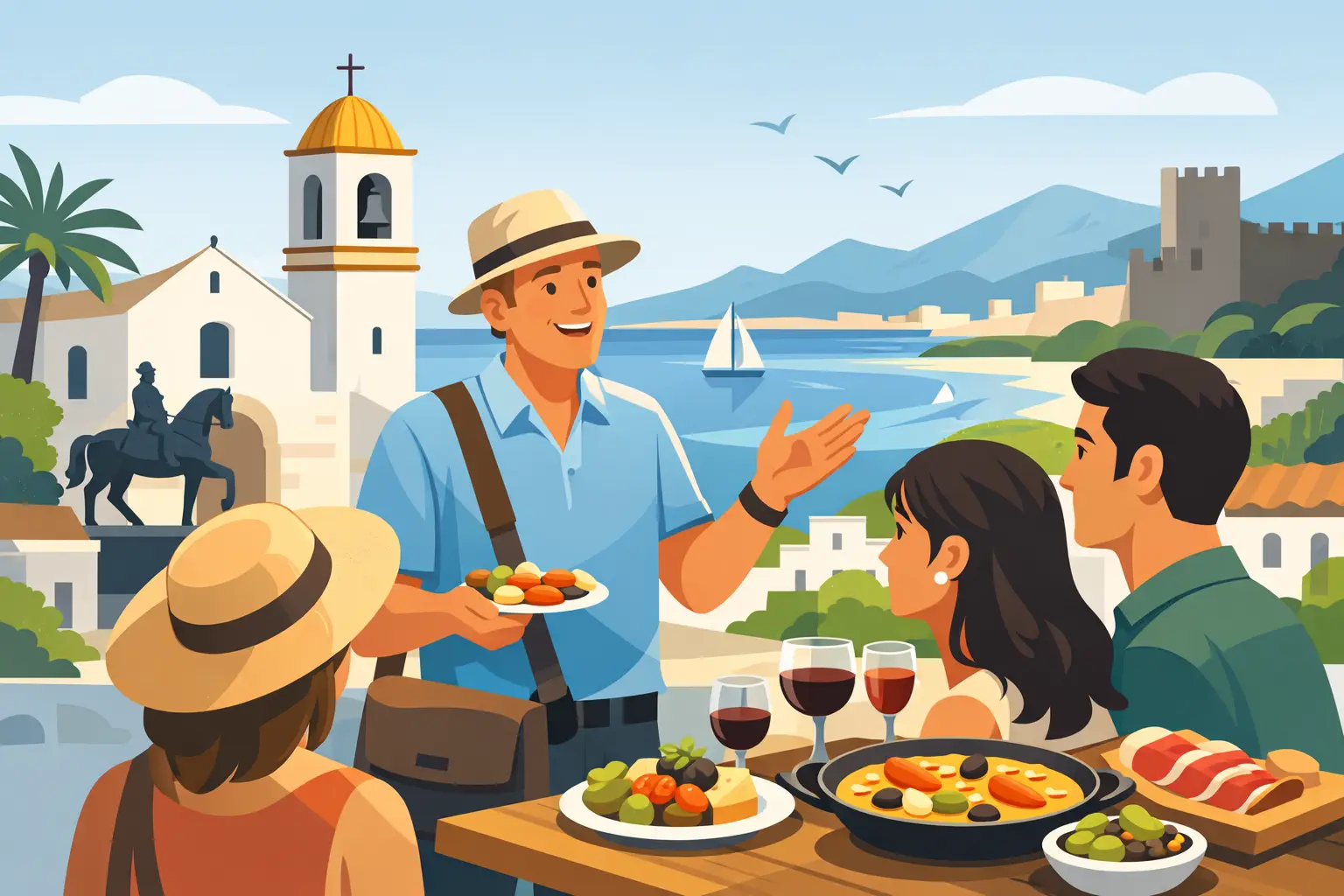
The first bite is rarely just a bite. In a small Old Town tavern, a plate of jamón, a glass of local wine or a spoonful of slow-cooked stew can open a door to the people who made Marbella what it is. That is how Michel shares Marbella history: not as a list of dates recited beside a monument, but through the flavours, families, streets and rituals that still give the town its character.
For visitors who want more than a pleasant meal and a few pretty photographs, Michel’s tours offer a more personal way into the city. You may arrive knowing Marbella for its beach clubs, bright marina and glamorous reputation. You leave with a sense of the older place beneath it all – a town shaped by Moorish rule, Catholic reconquest, fishing families, trade, migration and the enduring Andalusian habit of gathering around a table.
A guide shaped by more than 20 years in Marbella
Michel Ende has lived in Spain for over two decades and has spent the best part of that time getting to know Marbella beyond the obvious routes. His background in catering stretches back more than 35 years, giving him an instinct for hospitality, good produce and the small details that separate a meal from a memorable occasion.
But it is his long local presence that gives his storytelling its depth. Michel knows that history is not kept only in museums. It is held in a grandmother’s recipe, in the name of a narrow lane, in a bar owner remembering who once sat at the same counter, and in the rhythm of the market before the heat gathers in the afternoon.
He has watched Marbella change. That perspective matters. The town has welcomed international visitors for generations, and its modern appeal is real. Yet the Old Town remains a place where whitewashed walls, orange trees and modest taverns reveal a more intimate Andalusian life. Michel helps guests see both sides without pretending that one is more valid than the other.
How Michel shares Marbella history, one stop at a time
A good food tour should never feel like being marched between samples. Michel’s 3.5-hour Tapas & Educational Tour is designed as a relaxed conversation with the town. The food is generous, but each stop also has a reason for being there.
Perhaps a traditional dish leads to a story about the agricultural communities that supplied the coast. A glass of wine may become an introduction to Andalusian grape varieties and the region’s long relationship with trade. In another corner, Michel might point out an architectural detail that reveals the layers of cultures that have passed through these streets.
This approach is especially valuable in the Old Town, where it is easy to admire the scenery without understanding what you are looking at. Behind the flowerpots and polished façades are stories of defence, devotion, commerce and daily life. Michel makes room for the quieter details: the old layout of a street, the significance of a church square, or why certain ingredients appear so naturally on a local menu.
The tour is educational, but never classroom-like. Questions are encouraged, whether they concern Spanish dining customs, the difference between tapas and raciones, local olive oil, or why a particular recipe tastes the way it does. The best conversations often begin when someone says, “I would never have noticed that.”
Food as a living record of Andalusia
Andalusian cooking carries traces of many influences. Almonds, citrus, saffron, cumin, olive oil and preserved fish all tell part of a longer story. Some ingredients arrived through trade; others became essential because they suited the climate and the needs of working households. The result is food that can be simple on the plate yet remarkably rich in context.
Michel is passionate about making those connections understandable. He does not turn every tapas plate into a history lecture. Sometimes a perfectly poured beer and a dish fresh from the kitchen need no interruption. But when a story adds flavour, he knows it. That balance is what turns a tasting into a true cultural experience.
It also depends on the group. Some guests want to discuss regional wines in detail; others are more fascinated by the old town’s changing neighbourhoods. Couples may enjoy a leisurely, romantic evening, while a family group may prefer lively stories and clear recommendations for the rest of their stay. A small-group format leaves space to adapt without losing the flow of the experience.
Recognised by guests for knowledge and warmth
Before founding Marbella Flavours, Michel spent several years as head tour guide with Taste Marbella. Travellers searching for “Taste Marbella reviews Michel” may recognise his name from dozens of five-star guest comments. Again and again, past guests praised his knowledge, humour, generosity and ability to make the city feel familiar rather than overwhelming.
Those reviews matter because they reflect the part of guiding that cannot be copied from a script. It takes time to know when to pause for a view, when to let a chef explain a dish, when to share a historical detail and when to simply allow guests to enjoy the moment. It also takes genuine relationships with the people behind the food.
Michel’s connections with local innkeepers, cooks and vendors bring warmth to the tour. Rather than treating venues as interchangeable tasting stations, he presents them as part of the town’s fabric. Guests are welcomed into places chosen for their character and quality, from time-honoured favourites to small local spots that visitors could easily walk past.
For people who enjoyed Michel’s historic, deep-dive educational style on previous tours, he can now be booked directly through Marbella Flavours. The spirit remains familiar: excellent tapas, unhurried conversation and an honest introduction to the Marbella that lies beyond the glossy brochure.
What makes Michel a standout Old Town guide
The phrase “best tour guide Marbella Old Town” means different things to different travellers. For one person, it may mean knowing the best place for a crisp glass of wine and a plate of seafood. For another, it means being able to answer the question that comes up halfway through a quiet lane: “What was this area like before Marbella became famous?”
Michel’s strength is that he brings those expectations together. His professional catering experience means he cares deeply about what reaches the table. His years in Marbella mean he can place that food in its local setting. And his easy, host-like manner means the information never feels distant or overly formal.
There is also a practical side to good guiding. Visitors have different dietary requirements, comfort levels and interests. A polished experience should feel personal, not improvised. Michel takes care with guests while retaining the spontaneity that makes an evening in a Spanish town so enjoyable. A private tour can be particularly rewarding for celebrations, friendship groups or travellers who would like the pace and conversation shaped around them.
No guide can promise that every venue will have the same atmosphere on every night. A bustling tavern may be louder than expected, a seasonal dish may be unavailable, and the most authentic places are not always the most polished. Yet these are often the moments that make a tour feel real. Michel reads the room, adjusts where needed and keeps the focus on good food, good company and the story unfolding around you.
Come hungry, leave with a connection
Marbella rewards curiosity. Step away from the busiest terraces for a few hours and the city begins to speak in a different voice: through tiled doorways, church bells, chilled glasses, recipes handed down across generations and the welcome of people proud of their corner of Andalucía.
Michel is not there to rush you through that story. He is there to share it as a local host would – with knowledge, warmth and something delicious placed in front of you at just the right moment. Bring your appetite, bring your questions, and give the Old Town time to reveal itself.