Blog
How to Experience Andalusian Cuisine in Marbella

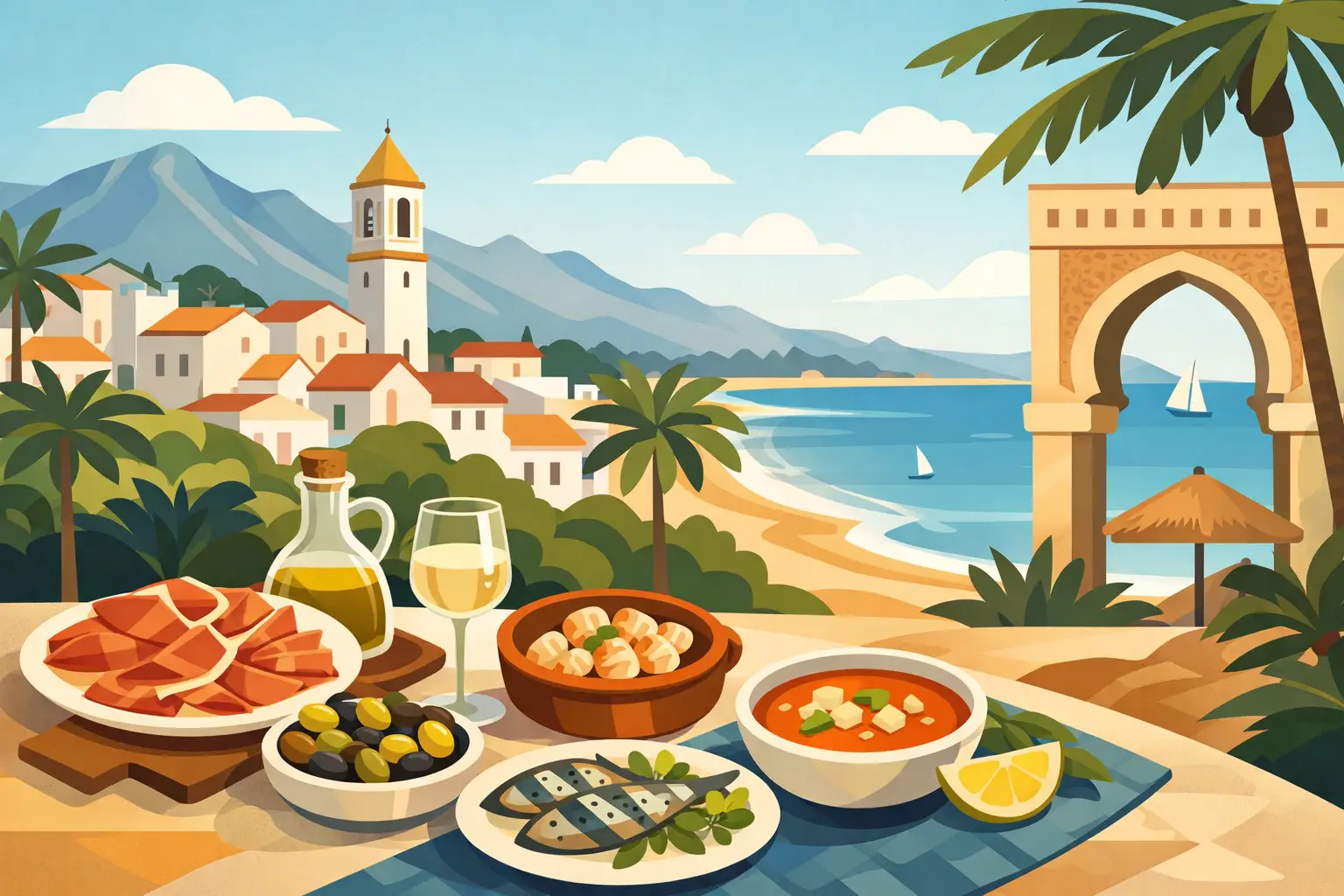
The first proper taste of Andalusia is rarely a single famous dish. It is the clink of a small glass on a marble bar, a plate of glistening olives placed down without ceremony, and the realisation that the person next to you has been coming to this same tavern for years. If you are wondering how to experience Andalusian cuisine, start by slowing down. This is food shaped by shared tables, long conversations and recipes that carry traces of Roman, Moorish, Jewish and Mediterranean life.
For visitors to Marbella, the temptation is to head straight for a polished seafront restaurant and order the most recognisable thing on the menu. There is nothing wrong with a fine meal by the sea, but the region reveals itself more generously in its markets, family-run bars and old streets. The most memorable meals do not simply tell you what Andalusia tastes like. They explain why it tastes that way.
How to experience Andalusian cuisine beyond the menu
Andalusian cooking is often described as simple, which is true only if simple means confident. A ripe tomato needs little help. Good olive oil should taste alive, peppery or softly fruity depending on its origin. Fried fish needs a clean, hot oil and an experienced hand. A plate may contain only a few ingredients, but each one has a job to do.
That is why the best approach is not to chase a long checklist of dishes. Eat a few things well, in the places where they belong, and ask questions. Why is this cheese served with quince? Which olive variety is in the bowl? What makes one gazpacho brighter or smoother than another? A good host, barman or guide turns those small questions into the story of the place.
Marbella sits on the Costa del Sol, but its culinary character reaches far beyond the beach. The coast supplies fish and shellfish; inland villages bring goat’s cheese, cured meats, almonds, citrus and excellent olive oil. The old trade routes brought spices, sugar cane and techniques that still echo in local sweets and stews. Andalusian cuisine makes most sense when you taste these connections rather than treating every plate as an isolated attraction.
Begin at the market, where the season speaks first
A local market is one of the clearest introductions to regional food. Go in the morning, when vendors are setting out gleaming fish, bunches of herbs, crates of vegetables and wedges of cheese. You will see what is genuinely in season and what local kitchens are likely to be cooking that day.
Look for tomatoes that smell like tomatoes, not just look red. Notice the varieties of olives and ask whether they are seasoned with garlic, orange peel, fennel or herbs. At the fish counter, the catch changes with the weather and season, which is precisely the point. If boquerones, sardines, red mullet or cuttlefish are looking their best, that is your invitation.
Markets are also useful because they correct a common misunderstanding: Andalusian food is not only tapas. Tapas are a way of eating and sharing, but the region’s pantry is much wider. A market visit helps you understand the raw ingredients behind the bar snacks, lunch plates and long family meals that follow.
Let the season choose for you
In warmer months, cold soups such as gazpacho and salmorejo feel less like starters and more like an essential response to the climate. Gazpacho is lighter and often more drinkable, while salmorejo is thicker, silkier and usually finished with egg and cured ham. Both depend on excellent tomatoes and olive oil, so their quality varies enormously.
When the weather cools, seek out heartier food: slow-cooked legumes, oxtail, game in season, mushrooms and warming stews. There is no prize for ordering the same dish in every month of the year. The better choice is nearly always the one that reflects what kitchens and producers have at their best.
Learn the art of tapas without rushing it
Tapas culture rewards curiosity, not speed. Order two or three plates for the table, share them, then decide what comes next. It is more sociable than each person ordering a separate main course, and it gives you room to follow an unexpected recommendation.
Start with classics that show technique. Croquetas should be crisp outside and creamy within, never heavy. Albóndigas, or meatballs, can reveal the depth of a house sauce. Berenjenas fritas, lightly fried aubergine, are often served with honey or cane syrup, a delicious reminder of southern Spain’s Moorish culinary influence. A simple ensaladilla rusa can be a test of a bar’s care, from the texture of the potato to the balance of tuna, mayonnaise and pickles.
Then move towards local specialities. On the coast, pescado frito is a must when it is freshly prepared: small fish or squid dusted lightly in flour and fried until delicately crisp. Espetos de sardinas, traditionally cooked over embers, are among the great pleasures of the Málaga coast. They are wonderfully direct, but quality depends on freshness, the fire and the cook’s judgement. A beautiful view cannot compensate for dry sardines or fish that has been waiting too long.
The right bar matters as much as the right dish. Look for places with a lively mix of regulars, a short menu that changes, and staff who can tell you what is especially good that day. Avoid assuming that every restaurant in a historic setting is traditional, or that every traditional-looking sign guarantees quality. Ask locally, observe the room and trust your senses.
Taste olive oil and wine as part of the meal
Olive oil is not a background ingredient in Andalusia. It is a defining flavour. Try it on bread before adding anything else, especially if a bar offers oil from a named producer or variety. Some oils are grassy and green, others rounder and more almond-like. The differences are as real as they are in wine.
Pairing is best kept relaxed. A chilled fino or manzanilla can be brilliant with fried fish, olives and almonds because its dry, saline edge refreshes the palate. For richer stews and grilled meats, a local red may be a better fit. Sweet wines have their place too, particularly with almond desserts, blue cheese or a quiet end to the evening.
There is a trade-off here. Ordering familiar international wine may feel safe, but it can flatten the experience. Ask for a regional suggestion and tell the server what you enjoy. You do not need to become an expert to find a pairing that makes a plate sing.
Follow the history behind the flavours
Food becomes more vivid when you know where it comes from. Almonds, citrus, saffron, cumin and the love of sweet-and-savoury contrasts point towards centuries of exchange across southern Spain. The Moorish period left a particularly lasting mark on ingredients, irrigation and confectionery. Later, products from the Americas transformed the kitchen: tomatoes, peppers and potatoes now feel inseparable from Spanish cooking, yet they arrived comparatively recently.
This history is not a lecture to endure between bites. It gives a plate context. A spoonful of ajoblanco, the chilled almond and garlic soup often associated with Málaga, makes more sense when you understand the importance of almonds and bread in the regional pantry. A dessert made with honey and nuts is not merely sweet; it is part of a much older food conversation.
For travellers who enjoy that deeper style of discovery, a guide can make the difference between eating well and understanding what you are eating. Michel Ende has lived in Marbella for more than 20 years and brings over 35 years in catering to every conversation around the table. His passion is not reciting dishes from a script, but connecting the flavour in front of you to the people, streets, traditions and producers behind it.
Some travellers first come across Taste Marbella reviews mentioning Michel and his historic, educational approach to food tours. Those guests can now book him directly through Marbella Flavours for a 3.5-hour tapas and educational experience designed for small groups. It is particularly valuable if you want the confidence of a carefully chosen route, personal introductions and the freedom to ask the questions that do not fit on a menu.
Make room for the unexpected
The best food memories often arrive unplanned. It may be a bartender insisting that you try a tiny portion of something not listed, a vendor explaining how their family seasons olives, or a fellow diner recommending one final stop. Leave space in your itinerary for these moments.
Do not overbook every meal, and do not try to eat the whole region in one afternoon. Choose a market morning, a lingering tapas lunch or evening, and perhaps one guided experience that gives the food its cultural frame. Then return to the places that felt welcoming. Andalusian cuisine is generous with visitors who give it time, appetite and attention.