Blog
What Are Classic Marbella Tapas? A Local Guide

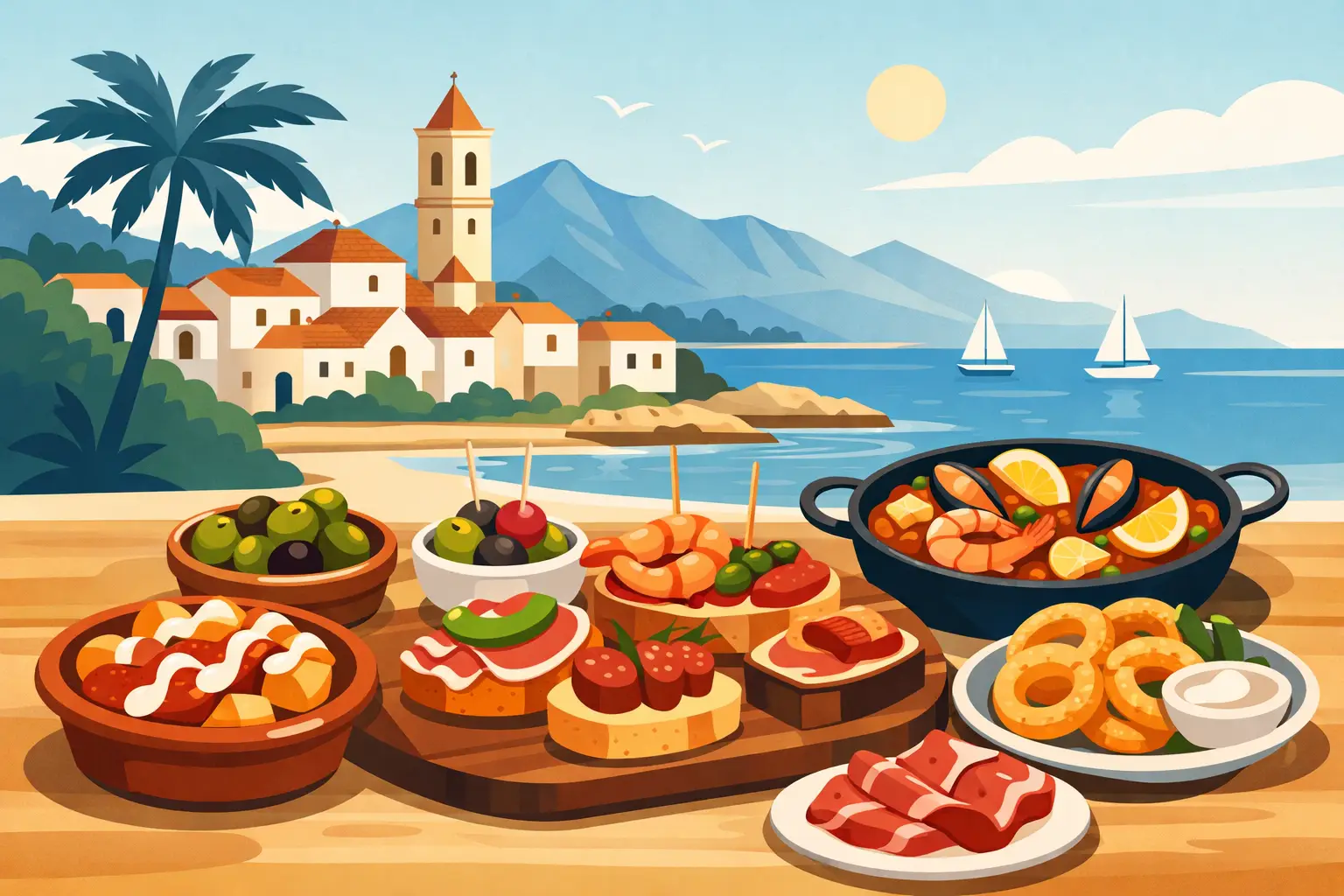
The first clue is often the sound: a glass set on a marble bar, the quick sizzle from a tiny kitchen, and a waiter calling out an order that has barely made it onto the menu. So, what are classic Marbella tapas? They are small plates shaped by Andalusia’s countryside, the Mediterranean coast and the easy-going ritual of sharing food with a drink.
They are not one fixed list, and that is part of their charm. Marbella sits on the Costa del Sol, but its food culture is far more than beach-front paella and international restaurant menus. In the Old Town, a good tapas stop may offer paper-thin jamón, a warm potato tortilla, seafood brought in from nearby ports, or a recipe that has been made in the same family kitchen for decades.
The best way to understand tapas is to stop treating them as starters. In Spain, tapas are a social rhythm. You order a little, talk a lot, move on when the mood takes you, and let the evening unfold plate by plate.
What makes Marbella tapas classic?
Classic Marbella tapas are, above all, Andalusian. The region gives them their essential ingredients: exceptional olive oil, garlic, sherry vinegar, almonds, pork, seasonal vegetables and fish from the Mediterranean. Marbella then adds its own setting – a town where mountain villages, market gardens and the coast meet within a short distance.
A classic tapa does not need to be elaborate. In fact, the simplest ones often reveal the quality of a bar. A tomato salad only works when the tomatoes are ripe. Fried anchovies need to be fresh, lightly floured and served immediately. A slice of cured ham should be cut properly, not piled carelessly onto a plate.
There is also a difference between traditional tapas and modern small plates. Both can be excellent. A contemporary chef may serve tuna tartare with avocado, or croquettes filled with truffled mushrooms. Yet if you want to taste the culinary character of Marbella, begin with the dishes locals recognise without needing an explanation.
The classic Marbella tapas to look for
Jamón ibérico and local cured meats
Jamón ibérico is one of Spain’s great pleasures, and it needs very little ceremony. The best slices are glossy, deeply savoury and soft enough to melt on the tongue, with a delicate nutty richness from the pigs’ acorn-fed diet. It is often served simply with breadsticks or rustic bread.
You may also find chorizo, salchichón or caña de lomo. These are ideal with a glass of local-style red wine, a cold beer or a fino-style sherry if the bar has a thoughtful wine list. Not every jamón is ibérico de bellota, the highest category, so it is worth asking what is being served if that distinction matters to you.
Tortilla española
A proper Spanish tortilla is humble food made with confidence: potatoes, eggs, olive oil and sometimes onion. The debate over onion is eternal, but the more useful question is whether you prefer it firm or softly set in the middle.
In a traditional tavern, tortilla may arrive as a generous wedge at room temperature or slightly warm. It is comforting, filling and particularly welcome if you have spent the day walking Marbella’s cobbled streets. It may look simple, but getting the texture right takes patience.
Croquetas
Croquetas are a tapas-bar test of character. Beneath their crisp breadcrumb shell is a creamy béchamel filling, traditionally made with jamón, chicken, salt cod or a slow-cooked meat stew. One freshly fried croqueta can tell you whether a kitchen respects its basics.
They are not unique to Marbella, but they belong on any classic Andalusian tapas table. They also demonstrate why tapas are best shared: order a portion, try one each, then leave room for what comes next.
Gambas al ajillo and seafood from the coast
Gambas al ajillo – prawns cooked in olive oil with garlic, chilli and sometimes a splash of sherry – arrives at the table still bubbling in its earthenware dish. The aroma alone gets heads turning. Use bread to catch the oil, but take care: the dish stays hot long after it reaches the table.
Other seafood favourites include boquerones, small anchovies served fried or marinated in vinegar; calamares, lightly fried squid; and almejas, clams cooked with garlic, parsley and white wine. Availability depends on the catch and the season, which is exactly as it should be. A short menu that changes is usually more promising than a vast one that never does.
Boquerones and pescaíto frito
Few flavours say southern Spain more clearly than freshly fried fish with lemon. Pescaíto frito is a broad term for small fried fish and seafood, often including anchovies, squid and baby cuttlefish. When done well, it is light rather than greasy, with a crisp coating that lets the fish remain the star.
Boquerones en vinagre are the gentler counterpoint: white anchovy fillets cured in vinegar, usually finished with olive oil, garlic and parsley. Bright, salty and refreshing, they are especially good with a chilled white wine.
Albóndigas and slow-cooked comfort dishes
Not all tapas are light. Albóndigas, or meatballs in sauce, are found across Spain, with each kitchen bringing its own approach. The sauce may be tomato-based, enriched with stock, or fragrant with herbs and spices. They speak to the home-style side of tapas culture, where recipes were built to make good use of affordable ingredients and long, gentle cooking.
You may also see carrillada, tender braised cheek, or rabo de toro, oxtail stew. These are more substantial plates and a reminder that a tapas evening can become dinner without anyone noticing.
Ensaladilla rusa and seasonal vegetables
Ensaladilla rusa is a beloved Spanish potato salad, usually made with tuna, egg, mayonnaise and vegetables. Every bar has its version, and regulars are loyal to their favourite. A good one is creamy but not heavy, with each ingredient still recognisable.
Vegetable tapas deserve equal attention. Look for berenjenas fritas, fried aubergine often served with cane honey; pimientos de padrón, small green peppers that are usually mild but occasionally fiery; and alcachofas, artichokes, when in season. These dishes show how Andalusian cooking can be both generous and beautifully restrained.
Tapas are about timing, not ticking boxes
Trying to order every famous dish in one sitting is tempting, but it can turn a relaxed evening into a checklist. Start with two or three plates for the table, then see what catches your attention on the bar or on nearby tables. One cold tapa, one fried dish and one warm, saucy plate is a pleasing place to begin.
Timing matters too. Spaniards often eat later than visitors expect. A pre-dinner tapas stop might begin around 7.30pm, while a fuller evening of eating can run much later. In busy periods, the most characterful bars may be standing-room only. That is not necessarily a drawback – a place with locals leaning at the counter can offer a far more memorable meal than a quiet room with a polished tourist menu.
Prices and portions vary. Some bars provide a complimentary bite with a drink, while others charge for every tapa. In Marbella, particularly in the more visited areas, do not assume a free tapa will arrive. The important thing is not the freebie but the quality, welcome and sense that the kitchen is cooking with care.
The flavours behind the plate
Olive oil is the foundation of nearly everything. Andalucía is one of the world’s great olive-oil regions, and good oil brings peppery freshness to tomatoes, depth to fried food and richness to simple bread. Garlic, paprika, cumin, oregano, sherry vinegar and saffron may appear too, but rarely to overwhelm the main ingredient.
Then there is the influence of history. Andalusian food carries traces of Roman olive cultivation, Moorish irrigation and spice traditions, Jewish and Christian culinary customs, and generations of fishing and farming families. You do not need a history lesson with every bite, but knowing this makes the food feel less like a collection of snacks and more like a living record of the region.
That is why a small dish of almonds or olives can be as revealing as an impressive seafood platter. These are everyday flavours with deep roots.
How to find the real experience in Marbella
The most authentic tapas are not always hidden, nor are they guaranteed by a handwritten chalkboard. Look for places with a focused menu, busy local trade and staff willing to tell you what is especially good that day. Ask for a recommendation rather than ordering only the dishes you already know.
It also helps to venture beyond the most obvious promenade choices. Marbella Old Town has narrow lanes and small squares where traditional bars sit alongside newer restaurants. Some serve classic dishes exactly as they have for years; others reinterpret regional ingredients with a lighter, more contemporary touch. There is room for both, but knowing the story behind a dish changes how you taste it.
For travellers who want that context without the guesswork, a guided evening with Marbella Flavours turns each stop into more than a meal. You can taste the differences between a good croqueta and a forgettable one, understand why a particular wine suits fried anchovies, and hear the local stories that rarely appear on a menu.
The real pleasure of classic Marbella tapas is that they invite you to slow down. Find a stool, share a few plates, follow the scent of garlic from the kitchen, and allow the next delicious decision to be the only plan you need.