Blog
What Makes a Great Tapas Guide? Meet Michel

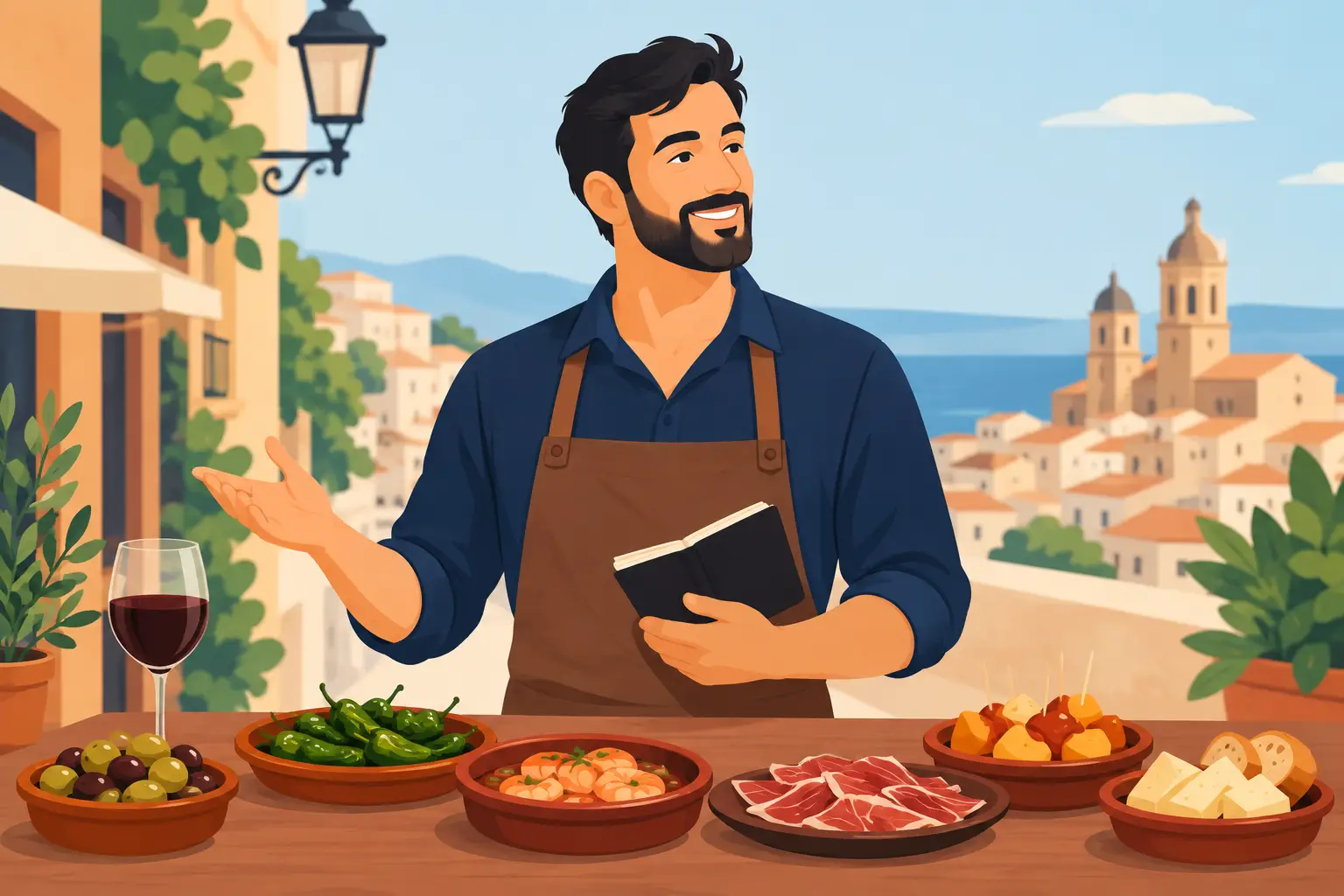
A plate of jamón, a chilled glass of local wine and a sun-warmed square can make a lovely evening. But what makes a great tapas guide is the person who can turn those pleasures into a story you will still be telling when you are home again. The difference is not simply knowing where to order. It is knowing why a dish belongs on the table, who makes it well, and how food has shaped the streets around you.
For Michel Ende, food has always been a way into a place. After more than 35 years in catering and over two decades living in Marbella, he sees every tapa as part of a larger Andalusian conversation: between the sea and the mountains, old family recipes and changing tastes, humble ingredients and generous hospitality.
A great tapas guide knows more than the menu
Anyone can point out patatas bravas or order a round of drinks. A memorable guide helps you understand the small details that are easy to miss when you are travelling independently. Why is one olive oil peppery and another soft and buttery? What makes a simple tomato salad feel complete? Why does a traditional tavern serve one dish with sherry and another with a crisp local white?
Michel’s approach is never about reciting a rehearsed list of facts. It is about reading the table. Some guests want to talk wine and regional ingredients; others are fascinated by the layers of history behind an old doorway. A couple celebrating an anniversary may prefer a leisurely pace, while a family might enjoy the lively ritual of sharing several plates. The best guide makes room for all of that without losing the thread of the experience.
Food with a sense of place
Tapas are not a checklist. They are a social way of eating, built around sharing, conversation and the pleasure of trying a little more than you planned. On a good tour, each stop has a reason for being there. A traditional bar may reveal the importance of cured ham and cheese in Spanish food culture. A small kitchen may show why seasonal produce matters so much in Andalusia. A wine poured by someone who knows its background can tell its own story.
That context changes the meal. Instead of moving from venue to venue collecting photos, you begin to see the connections: the ingredients arriving from nearby farms, fishing traditions along the coast, Moorish influences in the region’s cooking, and the pride local people take in familiar flavours.
Why local knowledge cannot be rushed
Michel has spent more than 20 years getting to know Marbella as a resident, not merely as a guide passing through. That makes a practical difference. He knows when a place is at its best, which corners hold a story, and when a quieter route or a slower stop will make the evening feel more personal.
His knowledge is also grounded in long experience in hospitality. After 35 years in catering, he understands that a fine food experience is not only about what arrives on the plate. It is about welcome, timing, generosity and the confidence that everybody at the table is being looked after. Dietary requirements are not an awkward interruption to a good tour. With thoughtful planning, they are simply part of hosting well.
This is especially valuable for visitors who want authentic food but do not want to gamble their limited holiday time on tourist traps. Marbella has glamorous restaurants, busy terraces and plenty of choice. It also has quieter places and longstanding customs that can be overlooked without someone to introduce them properly.
The guide many past guests remember
Travellers researching a Michel Marbella food tour may already have come across his name in feedback from his years leading tours for Taste Marbella. Search through Taste Marbella reviews and Michel is a name that appears again and again in guests’ memories, often alongside praise for his warmth, knowledge and historical storytelling.
That recognition matters because it comes from people who shared an evening with him, not from a polished slogan. Guests remembered being made to feel at ease. They remembered learning things they would not have found in a guidebook. They remembered that the experience had depth as well as good food.
Those who enjoyed Michel’s historic, educational style on previous tours can now book him directly through Marbella Flavours. His independent 3.5-hour Tapas & Educational Tour carries forward the qualities that guests valued: carefully chosen food, an unhurried rhythm, and stories that bring the old streets to life without turning the evening into a lecture.
What the best tour guide in Marbella Old Town does differently
The best tour guide Marbella Old Town visitors can choose is not necessarily the one who promises the most stops or the largest number of dishes. More is not always better. A rushed tour can leave guests full but disconnected, while a thoughtfully paced evening gives each flavour and each story time to land.
Michel builds the experience around the natural flow of an evening. You may begin with an introduction to the area and its food traditions, then settle into the shared pleasure of tapas as the conversation develops. Along the way, history is woven in where it adds meaning: the changing character of the town, the influences that have shaped Andalusian cooking, and the everyday habits that define Spanish dining.
Relationships make the difference
A guide can know a great deal, but relationships bring a tour to another level. Over years in the area, Michel has built trust with the people behind the food: innkeepers, chefs and local vendors who care about what they serve. That personal access allows a tour to feel human rather than transactional.
You are not being hurried through a generic itinerary designed for a coach party. You are welcomed into places where the food has a character and the people serving it are part of the story. The atmosphere may be lively or quietly traditional, depending on the stop, but the feeling is consistent: you are being shown something worth knowing.
Small groups leave room for real conversation
There is a trade-off with large tours. They can appear energetic, but it is difficult to ask questions, hear the guide clearly or adapt the experience when a group is too big. Small-group hosting creates a more relaxed kind of luxury. There is space to chat, to ask about a dish you love, and to share the evening with fellow travellers without feeling anonymous.
For private groups, that flexibility becomes even more valuable. A birthday gathering, a group of friends or a family visit can be shaped around personal interests and dietary needs. The food remains rooted in local tradition, but the hosting feels made for the people at the table.
A proper introduction to Andalusian flavour
Andalusian gastronomy is often at its best when it is not overcomplicated. A well-seasoned dish, excellent bread, ripe vegetables, fresh seafood or carefully cured meat can say a great deal about the region. The guide’s role is to help guests recognise this quality without making the experience feel precious.
Michel brings enthusiasm rather than snobbery. You do not need to be a wine expert or know Spanish food before you arrive. Curiosity is enough. Whether you are tasting a familiar favourite or trying something entirely new, the aim is to leave with a stronger sense of how local people eat, share and celebrate.
That is why the experience appeals to couples, curious food lovers, families and small groups alike. It offers a more meaningful way to spend an evening than simply choosing a restaurant at random. You get the pleasure of discovery, with the reassurance of an experienced host who knows the city’s culinary character from the inside.
The next time you choose a tapas tour, look beyond the number of tastings. Choose the guide whose local knowledge has been earned over time, whose stories make you look twice at the street around you, and whose welcome makes a shared table feel like the beginning of a friendship.