Blog
How to Plan Allergy Friendly Tapas in Marbella

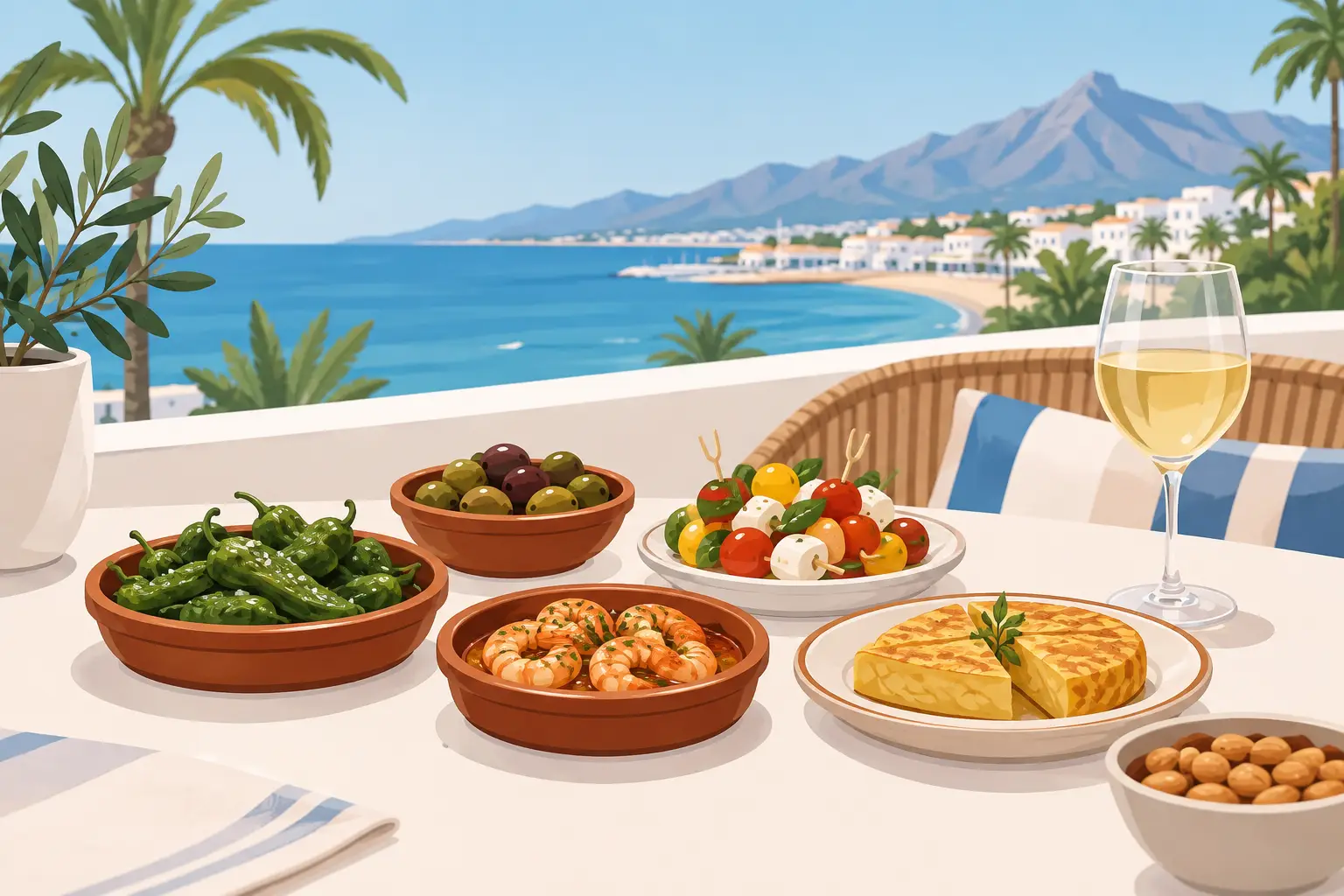
A plate of sizzling garlic prawns, a glass of crisp local wine and a shaded table in a centuries-old square can be one of the great pleasures of Marbella. But if you or someone travelling with you has a food allergy, spontaneity needs a little preparation. To plan allergy friendly tapas well is not to miss out on the experience. It is to enjoy it with confidence, knowing what to ask for, which dishes deserve extra care and how a good local guide can make the evening feel relaxed rather than risky.
Tapas is made for sharing, which is part of its charm. It also means ingredients can travel easily between plates, serving spoons and frying oil. A warm welcome from the right tavern, paired with clear communication, makes all the difference.
Start with the allergy, not the menu
The most useful thing you can do before choosing a restaurant is define exactly what must be avoided. “I cannot eat dairy” means something very different from “I prefer not to have milk”. The same applies to gluten, nuts, shellfish, egg, sesame, soya and other allergens.
Write down the allergy in plain language, including how serious it is. If there is a risk of anaphylaxis, say so clearly. Staff need to understand that this is not a question of taste or a minor preference. It is a safety issue that may require separate utensils, a clean preparation area or a dish that has not been fried in shared oil.
A Spanish allergy card can be extremely helpful. Keep it short and specific. For example: “I have a severe allergy to nuts. Even a small amount or cross-contact can make me very ill. Please tell me which dishes are safe.” Showing this before you order gives the kitchen time to respond honestly.
Do not feel awkward about asking twice. In a busy tapas bar, the person taking your order may need to check with the chef or owner. The best answer is not always an immediate yes. It is a considered explanation of what can safely be prepared that day.
How to plan allergy friendly tapas before your visit
Marbella has everything from polished modern restaurants to small, traditional bars where recipes have changed little for generations. That variety is wonderful, but it means allergen procedures can vary too. A larger restaurant may have a detailed allergen chart, while a family-run venue may rely on the chef’s knowledge of every dish. Both can work well, provided the communication is clear.
When booking ahead, mention the allergy at the time of reservation. Ask whether the kitchen can accommodate it and whether cross-contact can be managed. This matters especially for coeliac disease, serious nut allergies and shellfish allergies, because Spanish kitchens often use shared fryers, griddles and preparation surfaces.
For a guided tasting experience, tell your guide before the day of the tour, rather than when the first plate arrives. That allows each stop to be chosen with care and gives venues advance notice. At Marbella Flavours, Michel plans the route around the group and speaks directly with the people preparing and serving the food. That personal relationship is valuable when you want the real atmosphere of the Old Town without spending the evening trying to decode every menu alone.
It is sensible to carry any prescribed medication, including antihistamines or an adrenaline auto-injector, and to make sure your travelling companions know where it is. This is not pessimism. It is the same calm preparation you would make for a day at the beach: a small step that lets you enjoy the moment more fully.
Tapas dishes that need a closer look
Andalusian cooking is generous, direct and full of fine ingredients: olive oil, seafood, cured ham, vegetables, almonds, sherry vinegar and fragrant herbs. Many classic tapas are naturally simple. Yet simple does not always mean allergen-free.
For guests avoiding gluten, fried dishes require particular care. Croquetas, calamari, fried fish and many battered vegetables contain wheat, while shared fryers can make even naturally gluten-free ingredients unsuitable for someone with coeliac disease. Bread is often served automatically and may be handled near other plates. Ask for it to be kept away from your table or request a separate serving arrangement.
For dairy allergies, beware of more than obvious cheese dishes. Creamy sauces, mashed potato, croquetas, desserts and some dressings may contain milk or butter. Traditional gazpacho is often dairy-free, but recipes differ, so it is always worth confirming. A fresh tomato salad dressed with olive oil can be a beautiful choice, but ask whether it includes cheese, tuna or a prepared dressing.
Nut allergies deserve careful attention in southern Spain. Almonds appear in sauces, salads, pastries and cold soups such as ajoblanco. They may also be used as a garnish or be present in desserts prepared in the same kitchen. If your allergy is severe, do not assume a dish is safe just because nuts are not visible.
Shellfish allergies need a similarly cautious approach. Marbella’s coastal kitchens rightly celebrate prawns, clams, squid and fish, but cross-contact on a hot griddle or in frying oil is common. Grilled vegetables or meat might sound like an easy alternative, yet they may be cooked alongside seafood. The chef is the person who can tell you what is genuinely possible.
Egg and soya can be less obvious in mayonnaise, alioli, sauces, marinades and desserts. Spanish tortilla contains egg, of course, but so do many croquetas and batters. Alioli is sometimes made with egg and sometimes without, depending on the house recipe. Ask rather than guess.
Choose simple, freshly prepared food where possible
The safest tapas are often those with the fewest ingredients and the clearest preparation method. A plate of grilled seasonal vegetables, a salad dressed simply with olive oil and vinegar, or meat cooked to order can be easier for a kitchen to adapt than a dish made in advance with a complex sauce.
That does not mean you must settle for bland food. On the contrary, Andalusian ingredients shine when they are treated simply. Ripe tomatoes, local olive oil, chargrilled peppers, Iberian pork, citrus, fresh herbs and salt can make a memorable meal without the need for complicated additions.
Still, there is a trade-off. A tiny, much-loved bar may offer the most character but have a compact kitchen and limited ability to prevent cross-contact. A restaurant with more space and formal procedures may offer greater reassurance but a less spontaneous feel. Neither choice is universally right. The decision depends on the allergy’s severity and your own comfort level.
If staff seem uncertain, dismissive or unable to check ingredients, choose somewhere else. Marbella offers plenty of excellent places to eat. A good host will never make you feel difficult for protecting your health.
Make shared tapas work for the whole table
Tapas is social by nature, and allergies do not have to put an end to shared dining. They simply call for a few ground rules. Order safe dishes first and place them where they will not be confused with other plates. Use separate serving spoons where possible, and avoid everyone dipping bread into shared sauces.
For a group with one person who has a serious allergy, it can be kinder and safer to choose several dishes everyone can eat, then add a few separate plates for others. That reduces the chance of accidental mixing and means no one is left watching from the side-lines while the table enjoys the best food.
Tell your guide or restaurant if a child is affected. Children may be less able to identify an unsafe garnish or remember which plate is theirs, particularly when the table is lively and the dishes keep arriving. Clear placement and simple explanations help enormously.
The value of a local host who knows the kitchens
The best food experiences are built on trust. Michel has spent more than two decades living in Marbella and over 35 years working in hospitality. He knows that a tapas evening is not merely a sequence of dishes. It is the owner who explains a family recipe, the chef who adjusts a plate thoughtfully, the story behind a local wine and the easy feeling of being welcomed into a place you might never have found alone.
That local knowledge is particularly reassuring for travellers managing allergies. Rather than relying on a translated menu or hoping that a busy bar understands every detail, you have someone who can ask the right questions and shape the tasting around what is workable. The aim is not to make promises a kitchen cannot keep. It is to find the best authentic options available and present them with honesty and care.
A thoughtfully planned tapas experience should leave room for surprise: an exceptional olive oil, a dish of vegetables you did not expect to love, a tucked-away tavern with a story in its walls. With the right preparation, an allergy does not have to stand between you and that pleasure. It simply asks you to choose with care, speak clearly and let each safe plate become part of the memory.