
Blog
A Local’s Guide to Marbella Wine Pairings

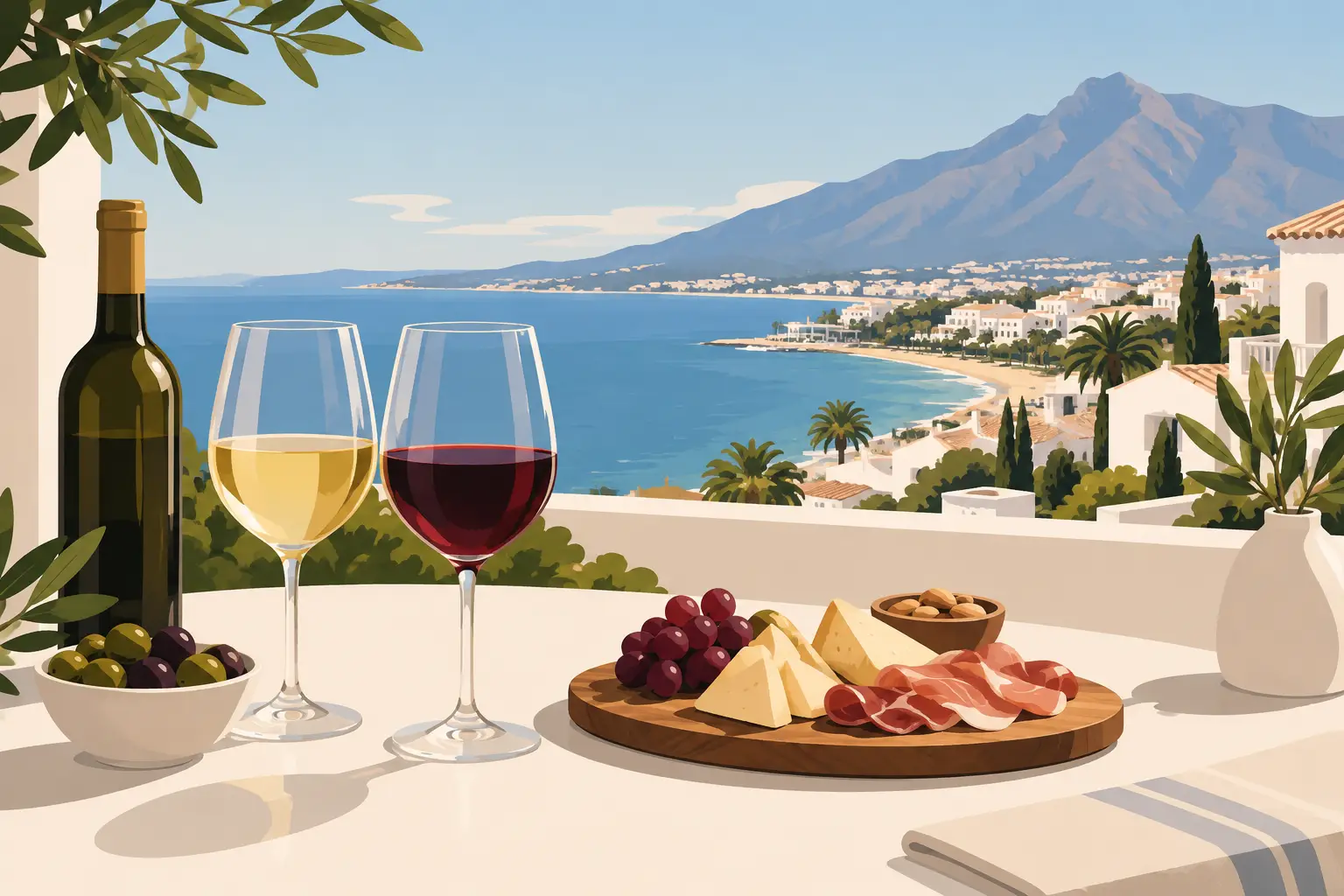
The first sip matters. In Marbella, a cold glass of fino beside a plate of jamón is not simply an aperitif – it is the opening line of a very Andalusian story. This guide to Marbella wine pairings will help you order with confidence, whether you are lingering over tapas in the Old Town, choosing fish by the sea, or sitting down to a long lunch with friends.
The best pairings here are not about following stiff rules. They are about respecting the character of the dish, the heat of the day, the salt in the air and the generous pace of a Spanish table. A good local wine should make the food taste more like itself, not compete for attention.
A guide to Marbella wine pairings starts in Andalucía
Marbella is blessed with a dining scene that reaches far beyond the coast, but its most memorable food and wine moments are rooted in Andalucía. The region offers lively sherries from Jerez, elegant wines from Málaga’s inland hills, and sweet fortified wines with centuries of history behind them.
When locals say sherry, they do not mean one heavy drink served in a tiny glass after dinner. Sherry is a broad family of wines, from bone-dry fino to deep, nutty oloroso and raisiny Pedro Ximénez. Served at the right temperature and with the right plate, it can be one of the most exciting wines on the table.
For visitors, the useful principle is simple: start dry and chilled with lighter tapas, move towards fuller styles as the food becomes richer, and save the sweetest wines for dessert or blue cheese. There are exceptions, of course. The joy is in tasting why a pairing works.
Fino and manzanilla with salty, delicate tapas
Fino is pale, dry and refreshing, often with notes of almonds, bread dough and green olives. It has a clean, savoury edge that makes it brilliant with the things Andalusians do best: cured ham, olives, salted almonds and seafood.
Order a chilled fino with jamón ibérico and the pairing makes immediate sense. The wine cuts through the silky fat of the ham while echoing its savoury, nutty depth. It is equally good with boquerones en vinagre, anchovies, prawn fritters and croquetas, particularly those filled with ham or salt cod.
Manzanilla is similarly dry but comes from Sanlúcar de Barrameda, close to the Atlantic. It often feels even lighter and more saline. If you are eating fried fish, clams, grilled prawns or a plate of pescaíto frito, manzanilla is a beautifully natural choice. Ask for it very cold, but not frozen into silence.
Rosé with summer tapas and vegetables
A dry rosé may not be the first wine people associate with Andalucía, yet it earns its place on a Marbella table. Its fruit, freshness and gentle structure work well when several small plates arrive at once and the flavours range from vegetables to charcuterie.
Try it with ensaladilla rusa, tomato salad, grilled aubergine with cane honey, peppers, courgette fritters or a board of mild cheeses. Rosé is also a forgiving companion when one person orders tuna and another chooses chicken skewers. It will not be the most traditional answer every time, but it is often the most relaxed one.
Avoid overly sweet rosés with spicy or vinegary dishes. A dry, pale style is usually the better choice, especially at lunch in warm weather.
Wine pairings for Marbella’s seafood
The coastline gives Marbella some of its finest eating: grilled sardines, pink prawns, squid, sea bass, clams and the simple pleasure of fish cooked over charcoal. With these dishes, freshness matters more than power.
For espetos de sardinas, the famous sardines cooked on a cane skewer over embers, choose manzanilla, fino or a crisp white from Málaga’s Sierras de Málaga area. The smoky skin and oil-rich flesh need acidity and a little saltiness, not a big oaky white wine. A heavily wooded Chardonnay can make the charcoal taste bitter and flatten the fish.
With grilled sea bass, gilt-head bream or sole, look for a dry white with citrus notes and enough body to stand beside olive oil, garlic and lemon. If the fish is served simply, keep the wine simple too. If it arrives with a richer sauce, roasted peppers or a creamy element, a fuller white can work well.
Squid and cuttlefish are particularly friendly to fino. Their mild sweetness is lifted by its dry almond character, while a squeeze of lemon brings the whole pairing into focus. For fried calamari, choose manzanilla or a fresh local white rather than red. Red wine can turn metallic beside fried seafood and lemon.
Red wine with tuna, lamb and Iberian pork
Red wine belongs at a Marbella table, but the key is choosing the moment. It is at its best with grilled meats, slow-cooked dishes, mushrooms and mature cheeses, rather than delicate fish.
A medium-bodied Spanish red with bright fruit is a fine partner for solomillo, lamb chops, pork cheeks or presa ibérica. The latter, a prized cut of Iberian pork, has enough richness to welcome a red with some spice and structure. Rioja and Ribera del Duero are familiar choices, although wines made in Málaga province can be a more locally expressive discovery.
With tuna steak, it depends on how it is cooked. Seared tuna, especially when served with sesame, soy or a peppery sauce, can take a lighter red served slightly cool. If the tuna is simply grilled and dressed with olive oil and lemon, a fuller white or rosé is usually more graceful.
Do not feel obliged to order a powerful red just because you have chosen meat. In warm weather, a lighter red served at around cellar temperature can be far more enjoyable than a high-alcohol bottle that overwhelms the food.
The sherry styles worth knowing
If a wine list offers several sherries, this small guide will help you choose without turning dinner into an exam.
Fino and manzanilla are the dry, pale styles for olives, ham, fried fish and shellfish. Amontillado begins life like a fino but develops more depth, with toasted nuts, herbs and dried citrus. It is excellent with mushrooms, artichokes, aged cheese and chicken dishes.
Oloroso is fuller, darker and more rounded, with walnut, spice and dried-fruit notes. Pair it with oxtail, game, rich stews or hard sheep’s cheese. It is dry unless the label says otherwise, a detail that often surprises first-time drinkers.
Pedro Ximénez, often shortened to PX, is intensely sweet and dark, with flavours of raisins, figs, coffee and molasses. A small glass is enough. Serve it with vanilla ice cream, chocolate deserts, blue cheese or simply as a final, unhurried treat after dinner.
Málaga’s sweet wines deserve a place at dessert
Málaga has a historic wine tradition, especially for wines made from Moscatel and Pedro Ximénez grapes. These can range from delicately floral to richly sweet, and they are far more interesting than an anonymous dessert wine.
A fragrant Moscatel works beautifully with almond cake, fresh fruit, citrus desserts and creamy puddings. The floral perfume can be lovely with orange, apricot or peach. For chocolate, choose a deeper Málaga sweet wine or PX, but pour sparingly. The aim is contrast and pleasure, not sugar piled upon sugar.
One of the finest local habits is pairing a sweet wine with blue cheese or a mature goat’s cheese. The salt and tang of the cheese stop the wine becoming cloying, while the wine softens the cheese’s sharper edges. It is a simple pairing that often converts people who believe sweet wine is only for pudding.
How to order wine with confidence in Marbella
When in doubt, tell your waiter what you are eating rather than asking for the ‘best’ wine. A good host can guide you towards a glass that fits the dishes and your budget. Ordering by the glass is sensible on a tapas evening, because it lets the wine change as the plates do.
Begin with fino or manzanilla if you are sharing cold tapas and seafood. Move to a local white, rosé or lighter red if the meal turns towards grilled dishes. Finish with Málaga sweet wine only if dessert or cheese genuinely calls for it. There is no prize for drinking every style in one sitting.
On our small-group experiences at Marbella Flavours, these choices become part of the story rather than a mystery on the wine list. You taste how salt, smoke, olive oil and local ingredients shape the glass in front of you – and why a modest pour in the right tavern can be more memorable than an expensive bottle elsewhere.
The most satisfying pairing is the one that makes you pause, take another bite, and smile before you know quite why. Let Marbella’s wines do that work gently, one plate and one well-chosen glass at a time.