
Blog
Marbella Heritage Walks Through the Old Town

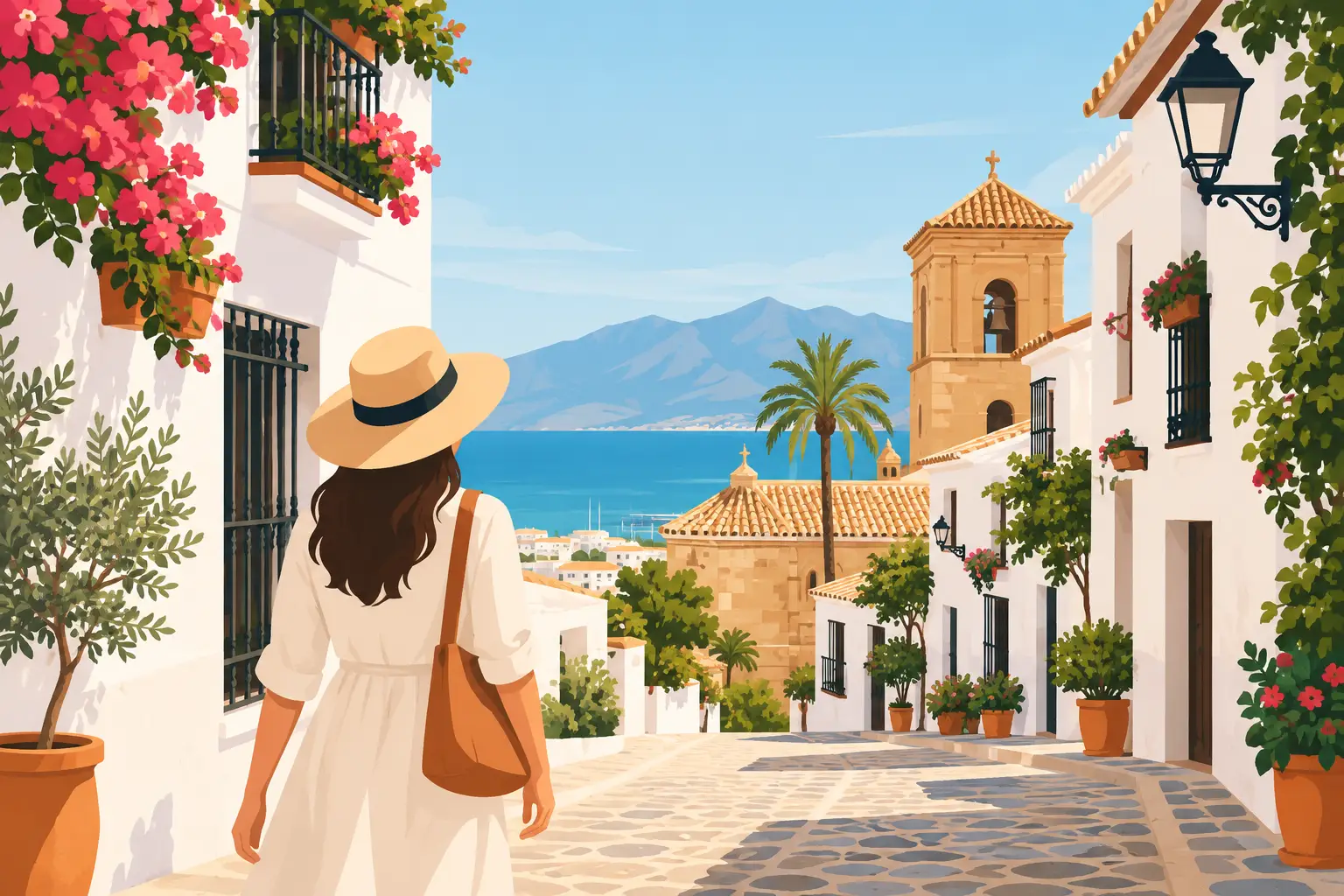
The first clue that Marbella has a story beyond its marina is the sound beneath your shoes. In the Old Town, smooth stone lanes narrow between whitewashed walls, flowerpots spill from balconies, and a quiet square can suddenly open around a centuries-old church. Marbella heritage walks are not about ticking off monuments. They are about noticing how Andalusian life, trade, faith and food have shaped the streets people now photograph so eagerly.
For visitors who want more than a pleasant wander, the difference lies in context. Why is one lane so narrow? Which families once lived behind those heavy wooden doors? Why does a humble tavern belong in the story of the town just as much as a bell tower? When the history is shared by someone who knows the area well, the Old Town becomes far more than a pretty backdrop for lunch.
What makes Marbella heritage walks worth your time?
Marbella is often introduced through beaches, golf and glamorous nightlife. Those pleasures have their place, but they can distract from the older heart of the town. Within a short walk of the modern promenade, the streets preserve the intimate scale of a former walled settlement, shaped across centuries by Roman presence, Moorish rule, Christian reconquest and the practical rhythms of Andalusian daily life.
The pleasure of a heritage walk here is that history does not feel shut away behind glass. It is in the worn thresholds, the scent of orange blossom in season, the tiled house numbers and the conversations drifting from a neighbourhood bar. You are walking through a living town, so a thoughtful route should leave room for its present-day character as well as its past.
This is also why timing matters. Early morning offers cooler streets and a softer, quieter atmosphere. Late afternoon has its own charm, especially when the light catches the white façades and the town begins preparing for the evening paseo. In high summer, a slower pace and regular shade stops are sensible. Heritage should be enjoyed, not endured in the heat.
The layers beneath the whitewashed walls
Marbella’s historic centre carries traces of changing cultures, even where the original structures are no longer fully visible. The town developed around a fortified Muslim settlement, and the old layout still tells that story. Lanes bend and tighten rather than following a neat grid. They were designed for shade, defence and community life, not for cars or hurried sightseeing.
After the Christian reconquest in the fifteenth century, churches and civic buildings became prominent markers of the new order. Yet the town did not simply erase what came before. It grew in layers. A good guide points out these transitions without turning the walk into a lecture: the relationship between a church square and an older street pattern, the character of local architecture, or the way courtyards offered coolness and privacy long before air conditioning.
Plaza de los Naranjos is an obvious stopping point, and rightly so. Its orange trees, historic buildings and café terraces make it a natural gathering place. But it deserves more than a quick photograph. Pause long enough to consider it as a civic stage – a place where administration, social life and trade have met for generations. The best walks use famous corners as a starting point, then lead you beyond them.
Look for the details most visitors miss
Heritage is often found in small things. Notice the ironwork on balconies, the weathered stone around a doorway, old ceramic tiles and the changing width of the streets. Some details are decorative; others reveal how people lived. A shaded entrance, for example, speaks to the practical wisdom of building for a southern climate.
It is worth resisting the urge to photograph every corner immediately. Look first. Listen for the sounds of plates being stacked, neighbours greeting one another, or a scooter navigating a lane barely wider than its handlebars. Those ordinary moments give the Old Town its character and make the history feel real.
Food belongs on the route
In Andalusia, food is never separate from place. A traditional tavern may have little of the polished appearance visitors expect from a fashionable restaurant, yet it can tell you more about local habits than a glossy menu ever could. The choice of sherry, the way jamón is sliced, a plate of anchovies, a bowl of olives or a simple stew all carry stories of farming, fishing, trade and family kitchens.
That is why the most memorable heritage walks often include a well-chosen pause for tapas. It is not a break from culture. It is culture. Sitting at a bar, watching regulars exchange greetings and tasting dishes with roots in the region offers a direct connection to the town’s social life.
The right stops depend on your interests and dietary needs. Seafood tells one side of the Costa del Sol story, while seasonal vegetables, local cheeses and traditional meat dishes reveal another. Vegetarians and guests avoiding gluten can still enjoy a rich experience when arrangements are made thoughtfully in advance. Authenticity should never mean leaving someone out.
Michel, founder of Marbella Flavours, has spent more than two decades living locally and more than 35 years working in hospitality. His approach brings together the historic depth many guests value with the pleasure of eating well: not simply naming a dish, but explaining where it comes from, why locals order it and how it fits into Andalusian life.
How to choose a heritage walk that feels personal
Not every guided walk offers the same experience. Larger groups can be lively and cost-effective, but they may struggle to hear in narrow streets or fit comfortably into small family-run venues. A smaller group generally allows more questions, more conversation and a more relaxed relationship with the places you visit.
Look for a guide who can adapt the pace. Some travellers want detailed architectural and political history; others prefer a lighter introduction with more time for food and conversation. Neither approach is wrong. The best tour is the one that matches your curiosity, mobility and holiday rhythm.
A few practical questions are worth asking before you book:
- How long is the walk, and how much standing or uneven paving does it involve?
- Is the group small enough for genuine interaction?
- Are food and drink tastings included, and can dietary requirements be accommodated?
- Does the guide explain the history behind the places visited, rather than simply leading from one photo stop to another?
A three-and-a-half-hour food and educational walk suits travellers who want a substantial introduction without giving up an entire day. For families, private groups or guests with a particular interest in architecture, wine or local history, a private route may be the better choice. It gives the guide room to focus on what will mean most to you.
A respectful way to walk the Old Town
The Old Town is beautiful because it is lived in. Residents hang washing, collect children from school, carry shopping home and open their shutters each morning. Treating the area as a film set misses the point.
Keep voices low in residential lanes, avoid blocking doorways for photographs and ask before photographing people at work. If you visit a small bar or market stall, take a moment to greet the person serving you. A simple hello and thank you go a long way, especially when offered with genuine warmth.
Comfortable shoes are essential. The paving can be uneven, and the pleasure of a walk disappears quickly if you are watching every step in unsuitable footwear. Carry water in warmer months, bring sun protection, and allow yourself to linger. Marbella’s heritage is best absorbed slowly.
Let the town set the pace
The most rewarding Marbella heritage walks do not try to turn every corner into a headline. They reveal a town through details: a wall that hints at an older boundary, a square where generations have met, a recipe that still tastes of the surrounding countryside, and a local host who knows which stories deserve to be told.
Leave a little space in your day after the walk. Return to the square that caught your attention, order one more tapa, or follow a lane simply because it looks inviting. That unhurried curiosity is often where Marbella begins to feel less like a destination and more like a place you have genuinely met.