Blog
Top Signs of Authentic Tapas Tours in Marbella

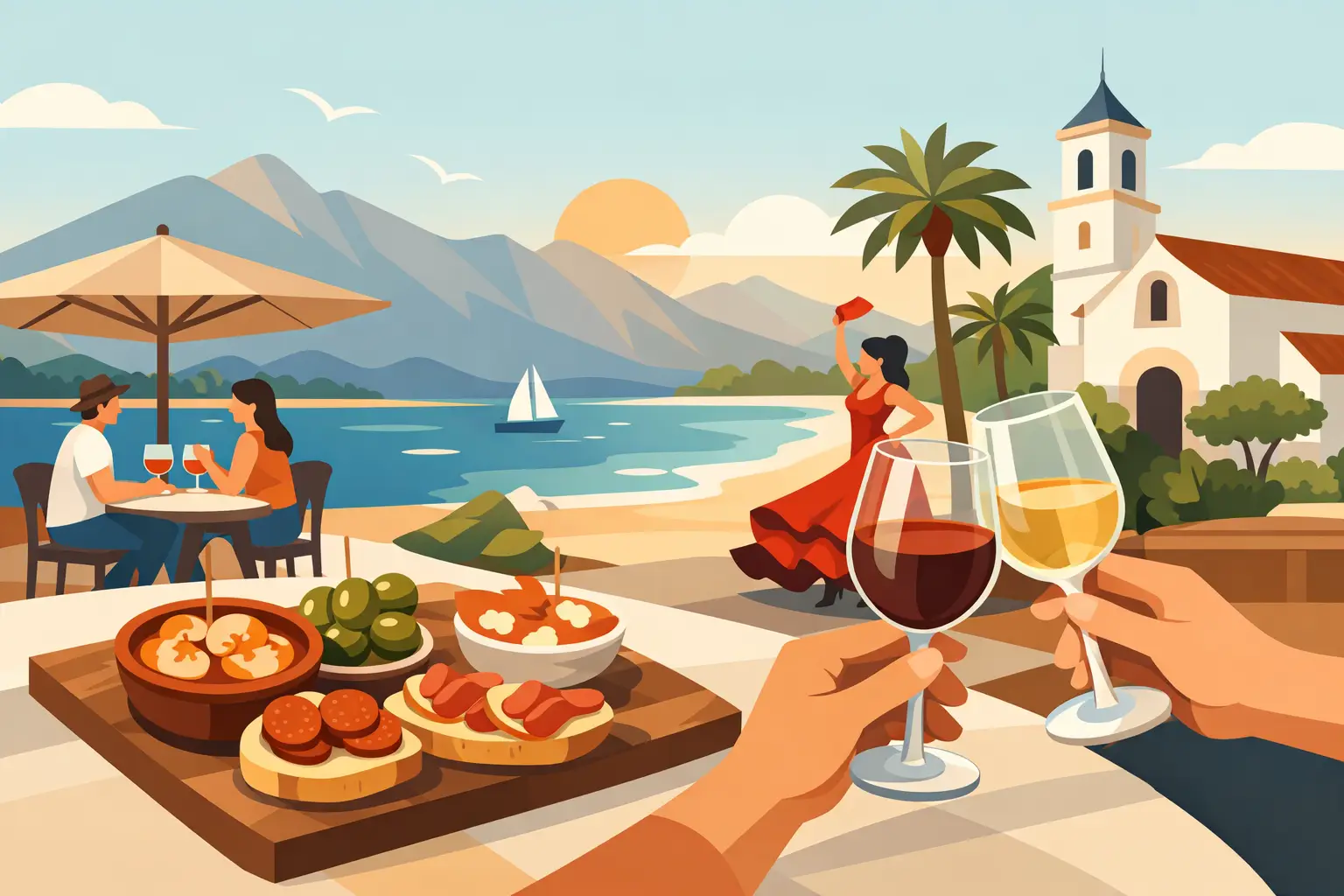
A plate of jamón, a glass of wine and a few pretty streets do not automatically make a memorable food tour. The top signs of authentic tapas tours are found in the details: who welcomes you at each stop, why a dish belongs to this part of Spain, and whether the evening leaves you feeling that you have met the real Marbella rather than simply passed through it.
For visitors who want more than a restaurant recommendation, a good tapas tour can become the most vivid part of a holiday. It should bring together flavour, history and the kind of local knowledge that is difficult to find alone, even with the best intentions and a long list of online reviews.
The top signs of authentic tapas tours
Authenticity is often used too freely in travel. It does not mean that every bar must look old-fashioned, that the menu cannot change, or that your guide needs to present every tradition as frozen in time. Andalusia is proudly traditional, but it is also alive, creative and sociable. An authentic experience respects both.
The clearest sign is that the tour has a sense of place. You are not simply given a sequence of snacks. You begin to understand why olive oil matters here, how the sea and nearby mountains influence local cooking, and why sharing small plates is part of the rhythm of an Andalusian evening.
A thoughtful guide also knows that tapas are not one single category of food. Some are rooted in humble ingredients and old tavern customs, while others reflect the imagination of a chef working with excellent local produce. Both can be genuinely Spanish. What matters is whether the choices tell an honest story of the area.
The venues have character, not just a convenient address
A real tapas route takes you beyond places selected only because they are easy to find or large enough for crowds. Look for traditional taverns, specialist food shops and local venues where the welcome feels natural rather than rehearsed for tourists.
That does not mean every stop needs to be hidden down a tiny lane or unknown to visitors. Some well-loved places are popular for very good reason. The difference is in the relationship. When a guide knows the people behind the counter, understands what the kitchen does best and chooses the right moment to visit, you receive a warmer, more personal experience.
In Marbella Old Town, this matters especially. Its whitewashed corners and flower-filled lanes are beautiful, but the food becomes more meaningful when it is connected to the families, trades and changing life of the neighbourhood. The setting should add to the story, not replace it.
The food follows the season and the region
If every tasting could be served unchanged in any city, it is unlikely to reveal much about Andalusia. Authentic tapas tours make room for seasonal produce and regional specialities. Depending on the time of year, that might mean ripe tomatoes dressed simply with local olive oil, nourishing stews, grilled seafood, cured meats, cheese or vegetables prepared with the confidence of a kitchen that knows its ingredients.
A good tour is not judged by the number of plates alone. Generous portions are welcome, of course, but a smaller tasting that is perfectly chosen can say more than a table crowded with familiar, generic dishes. Ask whether the guide explains what you are eating and why it matters. You should leave knowing the difference between a dish that is merely tasty and one that carries local memory.
There is also room for personal preference. The best guides accommodate dietary requirements with care, but they do so without turning the experience into an afterthought. Vegetarian, pescatarian and other needs deserve planning in advance, with delicious alternatives that still feel part of the journey.
Local stories give every bite its meaning
Food tastes different when you know its background. A slice of ham becomes more interesting when you understand the patience behind curing it. A local wine becomes more than a pleasant drink when you hear about the landscape, grape varieties and customs that shaped it.
This is where a guide-led experience earns its place. The strongest guides do not deliver a memorised speech at every stop. They read the group, answer questions and let conversations develop. One guest may be fascinated by Moorish influences on Andalusian cooking; another may want to know how locals order tapas or which wine works best with seafood. Both questions deserve a considered answer.
Michel, the founder of Marbella Flavours, has spent more than 20 years living in Marbella and more than 35 years in hospitality and catering. His approach is built around the details that guidebooks often miss: the reason a dish is ordered at a particular bar, the history behind a street corner, or a familiar greeting exchanged with an innkeeper. Guests who enjoyed the historic, educational style of his earlier tours can now book his 3.5-hour Tapas & Educational Tour directly.
This depth matters because Marbella has more than one story. It is known internationally for glamour and beach life, yet its older streets hold layers of Andalusian character, trade, faith and family life. A meaningful food tour makes space for both sides of the city.
Small groups create genuine conversation
A crowded group may be efficient, but it rarely feels intimate. One of the top signs of authentic tapas tours is a group size that allows you to hear your guide, speak with your fellow travellers and enjoy each venue without feeling like a moving queue.
Small groups also make it easier to adapt. Perhaps a guest is celebrating an anniversary, perhaps someone is nervous about trying unfamiliar food, or perhaps the group is especially interested in Spanish wine. A knowledgeable host can shape the evening around these moments while keeping the route relaxed.
Private tours offer even more flexibility. They can be a lovely choice for families, friends and couples who would like a slower pace, deeper cultural conversation or a route organised around particular tastes. The trade-off is simple: a shared tour brings the pleasure of meeting other travellers, while a private experience offers greater personal attention. Neither is automatically better. It depends on what you want from the evening.
The pace feels like Spain, not a checklist
Tapas are made for lingering. You may move between several venues, but you should never feel rushed through them simply to reach an advertised total of stops. Time to taste, chat and look around is part of the experience.
That does not mean a tour should drift without purpose. A well-organised route has a natural rhythm, with each tasting adding something new. Perhaps you begin with an aperitif and lighter bite, move towards more substantial local favourites, then finish with something sweet or a final glass that invites the group to stay in the moment. The route should feel effortless because the planning behind it is careful.
Be wary of tours that promise an endless parade of food without saying what is included or why those particular venues were chosen. Clear details about duration, tastings and drinks show respect for guests. So does honest guidance on what to expect. A tapas tour is a social meal, not a race to eat as much as possible.
Questions worth asking before you book
Before choosing a tour, look beyond glossy photographs. Ask who will guide you, whether the group is kept small, how dietary requirements are handled and whether the route includes local history as well as food. Reviews can be helpful too, particularly when guests mention specific moments: a dish they would never have ordered alone, a story that stayed with them, or a warm encounter with a local host.
It is also worth checking whether the experience is designed for visitors who genuinely want to learn. Some tours focus largely on drinking and nightlife, which may be exactly right for a lively group of friends. Others are slower, more culinary and more cultural. There is no wrong choice, but the right tour should match the kind of memory you hope to take home.
The most authentic evening is rarely the one with the loudest claims. It is the one where, days later, you can still remember the scent of warm bread, the first sip of a local wine, a story from a quiet square and the feeling that Marbella welcomed you in rather than simply served you dinner.