
Blog
Is Marbella Expensive for Dining? Local Costs

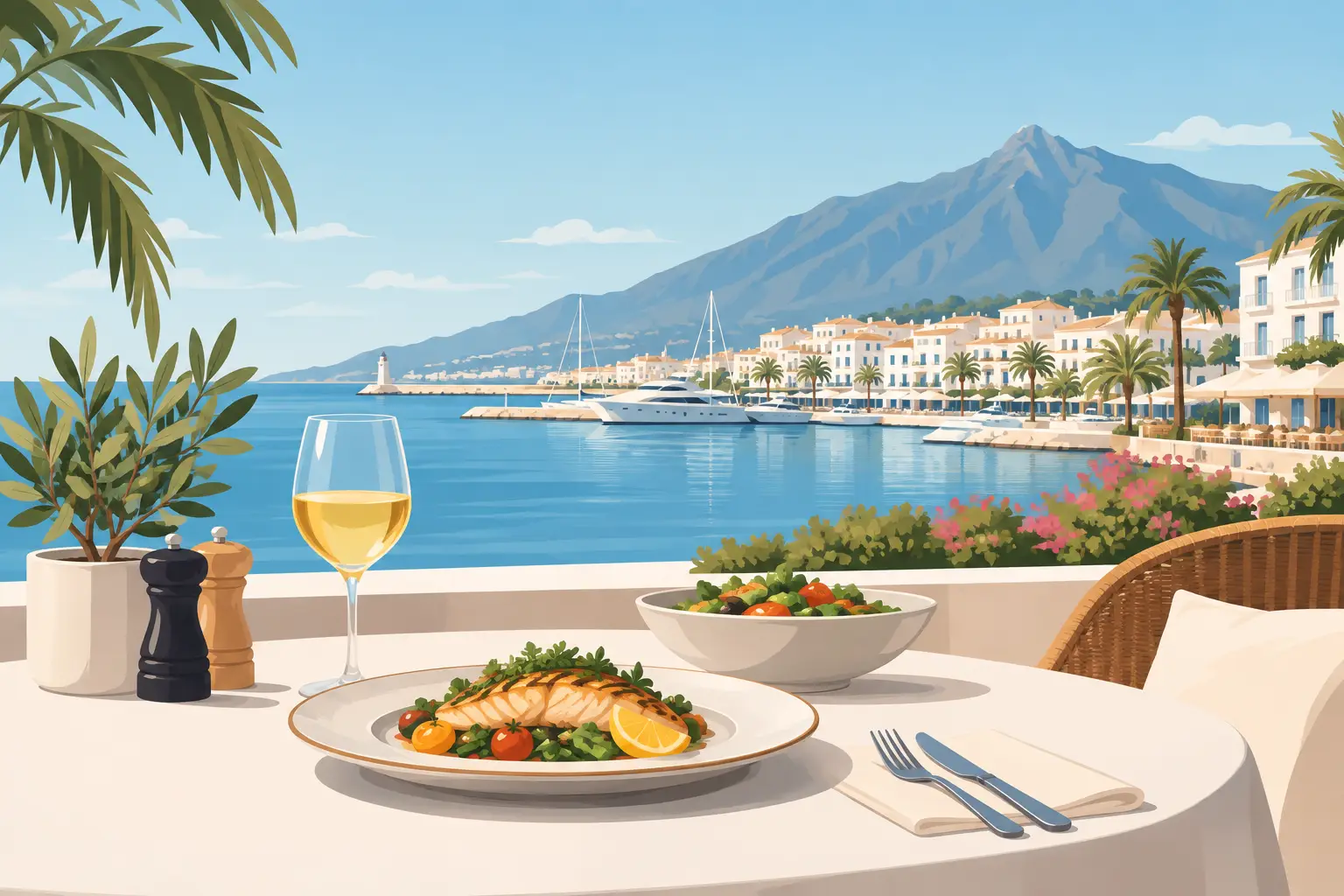
A plate of jamón carved to order in a shaded Old Town bar, a cold fino, the hum of Spanish conversation from the next table – this can still be one of Marbella’s great pleasures without becoming the most expensive part of your holiday. So, is Marbella expensive for dining? It can be, but the honest answer is that Marbella offers two very different food cities: the high-gloss resort scene and the wonderfully grounded local one.
If you choose restaurants by postcode, sea view and velvet rope, prices rise quickly. If you follow the rhythm of local dining – seasonal produce, tapas bars, weekday menú del día and family-run kitchens – you can eat exceptionally well for far less than many visitors expect.
Is Marbella expensive for dining compared with elsewhere in Spain?
Marbella is generally more expensive than many inland Andalusian towns and villages. It is also usually pricier than cities such as Granada, Córdoba or Seville when you compare like for like. The reasons are straightforward: an international clientele, high rents in sought-after areas, a long luxury season and the premium attached to being close to the beach or marina.
Yet it is not uniformly expensive. A simple breakfast of coffee and tostada can often cost around €3 to €6. A satisfying lunch from a traditional menú del día commonly falls around €13 to €20, depending on the restaurant, location and what is included. That may bring a starter, main course, dessert or coffee, bread, and sometimes a drink. It remains one of Spain’s best-value ways to enjoy a proper midday meal.
For dinner, a couple sharing several tapas with a bottle of house wine might spend roughly €45 to €75 in an unpretentious, quality restaurant. Move towards premium cocktails, imported ingredients, waterfront tables or an elaborate tasting menu, and the bill can easily climb into the hundreds.
The key point is not that one version is better than the other. Marbella does luxury brilliantly. But a glamorous setting is not automatically a more authentic or memorable meal.
What a realistic dining budget looks like
A comfortable daily food budget depends on how you like to travel. Guests who enjoy a casual breakfast, a local lunch and a relaxed tapas supper can often manage well on €40 to €70 per person a day, excluding lavish wines and late-night cocktails. Those who want beach-club lunches, premium seafood and fine dining should allow considerably more.
Breakfast is the easiest meal to keep modest. Order a café con leche with a tostada topped with tomato and olive oil, or perhaps local cured ham, and you are eating as many residents do. Hotel breakfasts and fashionable brunch venues are convenient, but they are usually where the holiday premium begins.
Lunch is where experienced visitors make their money go furthest. Spain’s traditional lunchtime culture rewards those willing to eat their substantial meal earlier in the day. Look for a menú del día written clearly outside, ask what is fresh, and do not be shy about choosing a dining room that is busy with Spanish-speaking regulars.
Dinner pricing has the widest range. Tapas may be charged individually, often from around €3 to €7 for a classic dish, while larger raciones are designed for sharing and might range from €10 to €22 or more. Fresh fish is often priced by weight, so it is sensible to ask before ordering if the menu does not make the cost clear. This is particularly true for prized seafood.
The places where costs rise fastest
Marbella’s reputation for expense largely comes from its top-end dining addresses. Beach clubs, marina-front restaurants and celebrity-facing venues have higher operating costs and cater to guests seeking an occasion rather than simply a meal. A sunbed, music, table service, cocktails and a view are part of what you are paying for.
There is nothing wrong with reserving one special lunch or dinner. It can be glorious to linger over grilled fish and chilled rosé as the Mediterranean light changes. Just recognise the trade-off: in these locations, atmosphere and exclusivity can account for as much of the bill as the ingredients.
Fine dining follows the same principle. Marbella has skilled chefs, ambitious wine lists and polished service worthy of a celebration. A tasting menu can be a wonderful introduction to contemporary Andalusian cooking, but it is not the only route to culinary quality. Some of the most characterful bites in town arrive on a small plate beside a modest glass of local wine.
How to eat well without paying the Marbella premium
The best strategy is not to hunt for the cheapest menu. Very low prices can mean frozen produce, rushed cooking or food designed for passing crowds. Instead, look for value: a kitchen that respects ingredients, a menu with a clear regional identity and a room where people seem pleased to return.
Start with Andalusian staples. Gazpacho or salmorejo, aubergines with honey, croquetas, spinach with chickpeas, grilled seasonal vegetables and locally caught fish can be deeply satisfying without requiring expensive luxury ingredients. Ask staff what arrived that morning or what the cook recommends. A short menu can be a good sign when it reflects what is freshest.
Timing matters too. Eating lunch at the Spanish hour, rather than at peak tourist times, may open up better-value options. For evenings, share raciones rather than each ordering a large main course. It gives you more variety, encourages conversation and suits the sociable Andalusian way of eating.
House wine is often a sensible choice, though it pays to ask where it comes from. Andalucía produces distinctive wines, from dry finos to fuller reds and increasingly interesting local whites. A knowledgeable waiter can point you towards a bottle that complements the food without pushing the budget towards a prestige label.
Finally, step away from the most obvious terrace for every meal. Marbella’s Old Town has atmospheric squares and beautiful lanes, but a few streets can make a meaningful difference to price and pace. The aim is not to avoid attractive places. It is to know when you are paying for the view and when you are paying for the cooking.
The value of a guided food experience
For travellers staying only a few days, trial and error can become surprisingly costly. A disappointing tourist-menu meal is not merely a few wasted euros; it is a missed opportunity to taste the dishes and stories that make this part of Andalucía special.
That is why a well-paced food tour can offer genuine value. Rather than ordering too much at one restaurant or relying on online ratings without context, you taste a selection of dishes in places chosen for their character, quality and local connection. You also learn why olive oil, cured ham, sherry-style wines, Moorish influences and market traditions matter to the cuisine.
At Marbella Flavours, the focus is on those human details: the tavern owner with a favourite family recipe, the ingredient that only makes sense when you know its history, and the quiet corners that reveal more than a glossy menu ever could. It is a way to make your later meals more confident, not just fuller.
A few common dining mistakes to avoid
Do not assume bread, olives, water or a cover charge are always complimentary. Ask politely if you are unsure, especially in more tourist-focused restaurants. Equally, do not judge a restaurant only by whether it gives free tapas with drinks. That custom varies across Spain and is not the measure of a good kitchen.
Check whether prices include IVA, Spain’s VAT. They usually should be clearly displayed, but clarity is always welcome before ordering a large fish, a premium bottle or a market-price special. Tipping is appreciated for good service, yet it is not expected at the same level as in some other countries. Rounding up or leaving around 5 to 10 per cent for excellent service is generous.
Reservations are wise in popular restaurants, particularly from spring through early autumn and at weekends. Booking ahead does not necessarily make dinner dearer; it simply prevents you from settling for the first available table when you are hungry.
Is eating in Marbella Old Town more expensive?
It can be, especially on the prettiest squares where demand is high. However, the Old Town still has traditional bars and restaurants with fair prices. The difference often comes down to menu choices, drinks and whether the establishment is aimed principally at regulars or visitors. A little local knowledge goes a long way.
Can families dine affordably in Marbella?
Yes. Sharing plates works particularly well for families, and lunchtime menus can be excellent value. Choose restaurants that welcome a relaxed pace, ask about portion sizes, and build a meal around familiar dishes alongside one or two new tastes for curious younger diners.
The most rewarding Marbella meal is rarely defined by the final number on the bill. Choose one indulgent occasion if it matters to you, then leave room for the small discoveries: a bar stool, a plate of perfectly fried anchovies, a glass raised with new friends, and the flavour of a place that knows exactly who it is.